Ethiopia runs two economies at once: a local one where a full injera lunch costs two dollars and the best macchiato of your life costs fifty cents, and a tourism one where a volcano weekend is priced like a small safari. Knowing which economy you're standing in at any moment is the whole game. Here are the real numbers, updated for 2026.
Key facts
- Currency
- Ethiopian birr (ETB); floated in 2024
- Backpacker day
- US$35–55
- Mid-range day
- US$80–150
- Comfort day
- US$200–350+
- Cards
- Cities & big hotels only — carry cash
- Tipping
- Br 20–50 meals; ~15% of tour cost for crews
Three honest daily budgets
| Style | Sleep | Eat | Move | Day total |
|---|---|---|---|---|
| Backpacker | Guesthouse US$12–25 | Local restaurants US$5–10 | Minibus, shared bajaj | US$35–55 |
| Mid-range | Lodge/3★ US$40–90 | Mix local + hotel US$15–25 | Domestic flights, day tours | US$80–150 |
| Comfort | Best-in-town US$120–300 | Hotel dining US$30–50 | Private 4x4 + driver | US$200–350+ |
Set-piece add-ons sit on top of any style: Simien 4-day package US$300–450, Danakil 3-day US$600–800, Omo private circuit US$150–250/day per couple, Lalibela ticket US$50.
What things actually cost (2026)
- Coffee (macchiato at a proper café): Br 30–60 (US$0.25–0.50)
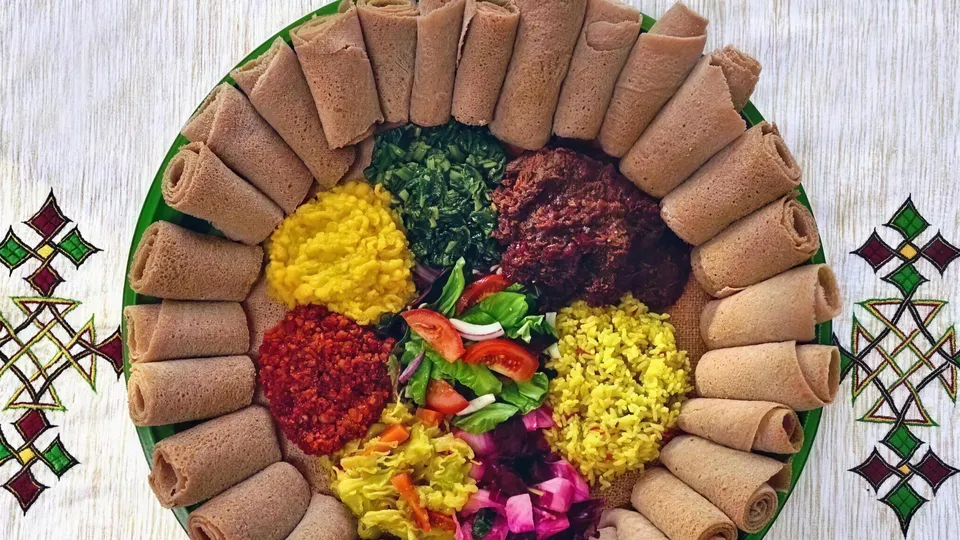
- Beyaynetu lunch (vegan injera platter): Br 150–350
- Dinner at a good tourist restaurant: Br 600–1,500
- Beer (St George, draft): Br 60–120
- City ride-app hop: Br 150–400
- Domestic flight leg (with ET int'l ticket): US$40–90
- Mid-range double room, northern towns: US$40–80 (festival weeks ×2)
- Licensed site guide, half day: US$15–25
Inflation runs hot; treat birr figures as ratios rather than gospel and expect upward drift.
The money system, demystified
Since the 2024 float, the official exchange rate is close to reality and the old black-market drama has faded. Practical consequences: change money at banks and hotel desks without guilt, use ATMs in cities as a top-up (foreign cards work at CBE, Dashen, Awash; expect per-withdrawal caps and small fees), and treat cards as a cities-and-flights tool only. Telebirr mobile money is everywhere for locals; some tourist businesses accept it via QR if you set it up with a local SIM. The unbreakable rule: once you leave asphalt, you are in cash country — carry small notes (Br 50/100) because change is a national scarcity.
Where money leaks (and how to plug it)
- Domestic flights booked separately from your international ticket — the ET combo discount is the single biggest saving in Ethiopian travel.
- Festival-week hotels booked late — January in Lalibela/Gondar doubles; book by September.
- "Guides" who materialise unbidden — agree scope and price before any walking starts, or decline warmly.
- Single-traveller supplements on Danakil/Omo — join group departures; operators pool travellers on fixed dates.
- Souvenir first prices — friendly haggling is expected in markets (not in shops with tags); 40–60% of opening is normal territory.
Food is the easiest line on this budget to cut without losing anything: see cheap eats in Addis Ababa for where locals actually eat and what it costs.