Eating out with children in Addis Ababa is easier than in most European capitals, for one simple reason: Ethiopians are delighted by children and make no attempt to hide it. Your toddler will be picked up, walked around the kitchen and returned sticky and pleased. What Addis lacks in highchairs and changing tables it more than repays in patience. Here is where to go, what to order, and how to handle the child who will not touch injera.
Key facts
- Easiest all-rounder
- Kategna — fast, cheap, everywhere, kids welcome
- Garden + space to run
- Sishu, Lime Tree, Kaldi's garden branches
- Dinner with a show
- Yod Abyssinia — starts 7 p.m., very child-friendly
- Typical family meal
- 600–1,500 birr for four
- Highchairs
- Rare — bring a portable seat if you rely on one
- Fussy eaters
- Pasta and rice are on almost every menu
The reliable all-rounders
- Kategna — several branches, and the default answer. Fast, inexpensive, consistently good, and completely unbothered by mess. Order beyaynetu for the table and something plain alongside. A family of four eats well for 600–900 birr.
- Sishu — a garden restaurant that has become the standby for Addis families and the expat crowd: lawn, shade, room for children to run, and a menu split evenly between Ethiopian and familiar Western food. Excellent breakfasts.
- Lime Tree — bright, casual, healthy-leaning, with sandwiches, juices and cakes that suit fussy eaters and jet-lagged parents equally. Good for a soft first meal on arrival.
- Kaldi's Coffee — the Ethiopian answer to Starbucks, everywhere, cheap and dependable. Not a culinary experience, but the garden branches solve a difficult afternoon.
For a proper Ethiopian meal, with children in tow
Yod Abyssinia is the easiest introduction: the dinner show starts around 7 (before children collapse), the dancing is genuinely spectacular, the food arrives on a shared mesob, and the staff are entirely used to families. It is touristy and it is worth it once — the eskista shoulder-dancing alone will hold a five-year-old's attention completely.
For something less staged, any neighbourhood bet will feed you well. Order a mixed beyaynetu, ask for one alicha (mild) dish for the children, and request bread if the injera is refused. Nobody will mind; Ethiopian parents do exactly the same.
What to order for children
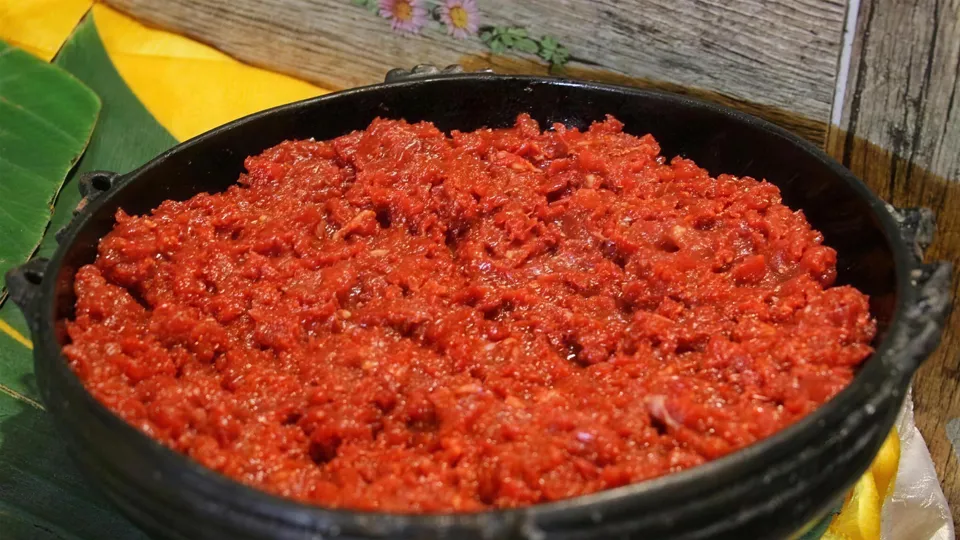
- Tibs (alicha) — cubed fried meat, mild version. Almost universally accepted.
- Shiro — smooth chickpea stew; behaves like hummus and goes on bread happily.
- Firfir — shredded injera in sauce, soft and easy for small children.
- Pasta — an Italian-era legacy, on nearly every menu, usually decent.
- Rice and roast chicken — the universal fallback, available everywhere.
- Ambo water — sparkling mineral water children find exciting; fresh juices (avocado spris, mango) are excellent and safe at established places.
A note on fasting days: on Wednesdays, Fridays and through Lent, many restaurants serve only vegan food. This is wonderful if your children eat vegetables and inconvenient if they live on meat — check the calendar and plan a pasta night.
Practical realities
- Highchairs are rare. Bring a clip-on seat if you need one.
- Changing tables are rarer. Use a mat in the car or plan around the hotel.
- Meals are slow — an hour and a half is normal, and coffee afterwards is not optional socially. Bring something to occupy small children.
- Water: bottled only, including for brushing teeth. Ice at established restaurants is generally fine; be cautious at roadside places.
- Handwashing before a shared plate is standard — a jug and basin usually come to the table, which children enjoy enormously.
- Cash for smaller places; cards work at the larger restaurants and hotels.
For where to take them afterwards, see family activities in Addis Ababa and museums and historical sites for children.
If the budget matters more than the playground, our cheap eats in Addis Ababa guide covers where to eat well for very little.