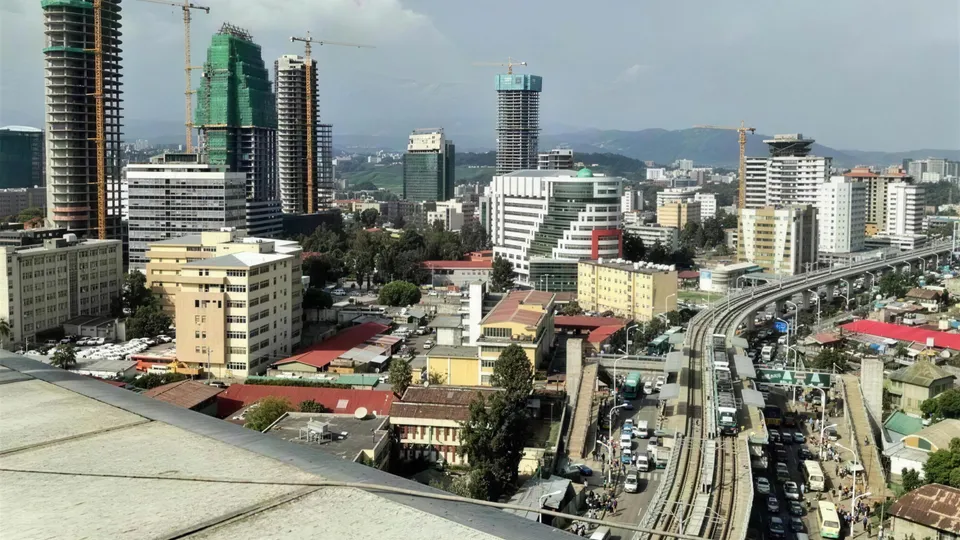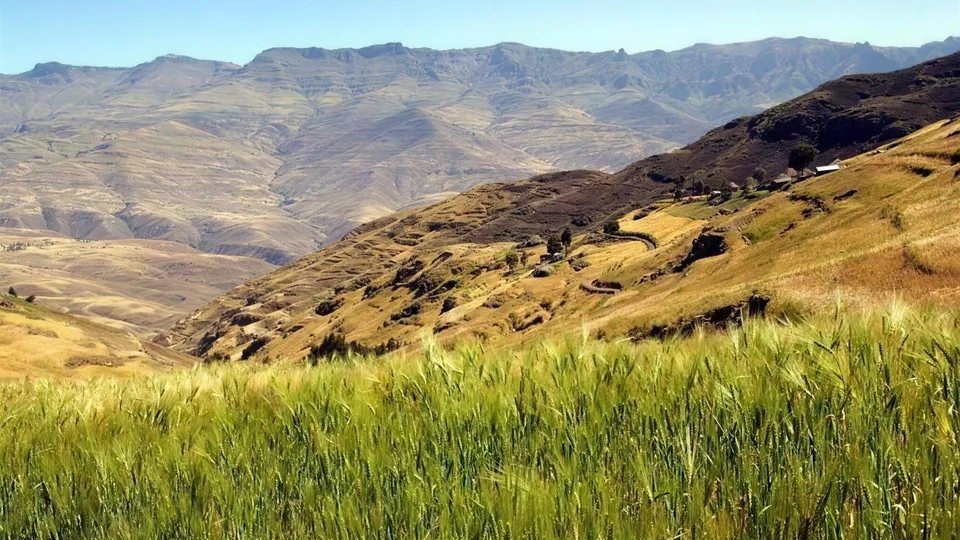
Ask the internet whether Ethiopia is safe and you will get two confident, opposite answers: a government page telling you not to go, and a tour operator selling you a nine-day trip to the same place. Neither is lying. Ethiopia is not one security situation — it is several, stacked inside one border, and the honest answer depends entirely on which Ethiopia you mean. Here is the current picture, region by region, with the insurance detail that most travel writing quietly leaves out.
Key facts
- Overall advisory
- US: Reconsider Travel · UK/AU: regional restrictions
- Do Not Travel
- Tigray, Amhara, parts of Oromia, Gambela, Benishangul
- Generally operating
- Addis Ababa, Rift Valley, Bale, Omo (south)
- Biggest real risk
- Road traffic — not politics or terrorism
- Insurance catch
- Most policies void cover in 'do not travel' zones
- Check before booking
- Your own government's advisory, within 30 days
The short answer
If you mean Addis Ababa, the Rift Valley lakes, Bale Mountains and the Omo south — these have operated normally through recent years, and the overwhelming majority of visitors come and go without incident. If you mean Lalibela, Gondar, Bahir Dar, the Simien Mountains or Axum — you are asking about Amhara and Tigray, both of which currently sit under "Do Not Travel" advisories from the US, UK and several other governments, because of armed conflict and, in Amhara, a genuinely elevated kidnapping risk.
That is uncomfortable, because those northern sites are Ethiopia's headline attractions, and flights and tours to them are still being sold. We are not going to pretend that tension away.
What the advisories actually say
- Ethiopia overall: the US places the country at Reconsider Travel; the UK and Australia apply region-by-region restrictions rather than a blanket level.
- Do Not Travel: Tigray, Amhara, parts of Oromia, Gambela and Benishangul-Gumuz.
- Generally unrestricted: Addis Ababa, the Rift Valley corridor south of the capital, Bale, and much of the SNNPR/Omo region.
- Practical footnotes: internet and mobile shutdowns occur during unrest; exit bans and immigration penalties are enforced more strictly than visitors expect.
Advisories are conservative by design and they lag events in both directions — they are slow to lift and slow to impose. They are a floor for your decision, not the whole of it. But they are also the document your insurer will read.
The insurance catch nobody mentions
This is the single most useful paragraph on this page. Most travel insurance policies exclude claims arising in a region your government has advised against travelling to. Fly to Lalibela while Amhara is at "Do Not Travel" and you may be, functionally, uninsured — including for the medical evacuation that is the entire reason to carry a policy in a country where the good hospitals are a long flight away.
There are ways through this: a handful of specialist and adventure insurers will extend cover into advisory regions for an additional premium or a written endorsement. What you must not do is assume. Email the insurer, name the specific region, and keep the reply. If they will not put it in writing, treat that as the answer. Our Ethiopia insurance guide walks through the clauses line by line.
Addis Ababa: the realistic picture
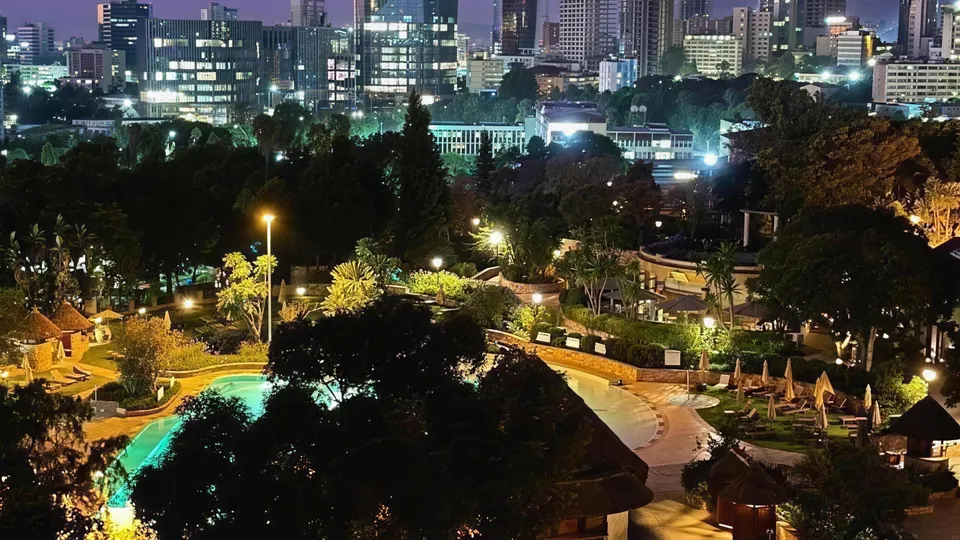
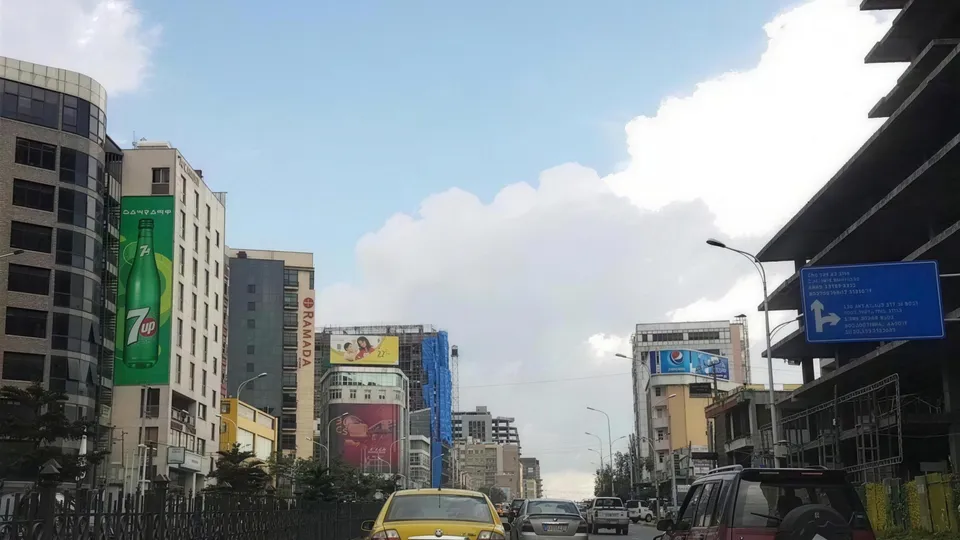
Addis is a large, busy, largely unbothered African capital, and most visitors' experience of "danger" here amounts to being overcharged for a taxi. The real annoyances are ordinary urban ones: pickpocketing around Merkato and Piassa, bag-snatching from open car windows in traffic, and the occasional persistent "student" who wants to practise English and then guide you somewhere with a commission attached.
Two Addis-specific habits worth adopting: use a ride-hailing app (Ride, Feres) rather than flagging cars, which fixes both the price and the accountability; and keep an eye on the news around political anniversaries and election periods, when demonstrations can close roads with very little warning. Protests are rarely aimed at foreigners, but a road closure between you and the airport is still a problem.
The thing that is actually most likely to hurt you
Not politics. Traffic. Ethiopia has among the world's highest road-death rates per vehicle, and the long inter-city drives that link the highland sites are where the genuine, boring, statistically-real danger lives: overtaking on blind mountain bends, unlit trucks, livestock wandering the carriageway after dark, and drivers running to a schedule rather than to conditions.
You can remove most of this risk with three rules. Refuse to travel by road after dark — this one habit does more for your safety than everything else on this page combined. Fly the long legs; Ethiopian Airlines' domestic network is cheap, and the discount for holding an international ET ticket is substantial. Wear the seatbelt, even when you have to excavate it from under the seat cover and even when the driver finds it funny.
Altitude, water and the unglamorous risks
- Altitude: Addis sits at 2,355 m and parts of the Simien exceed 4,000 m. Expect breathlessness and poor sleep for 48 hours. Do not fly in and start trekking the same day; alcohol on night one is a bad idea.
- Stomach: drink bottled or filtered water, including for teeth. Ethiopian food is generally well cooked and hot; raw kitfo and unpasteurised dairy are the usual culprits if you are unlucky.
- Malaria: the highlands (Addis, Lalibela, Gondar, Axum) are essentially malaria-free. The lowlands — Omo, Gambella, the Danakil approaches — are not. Discuss prophylaxis with a travel clinic.
- Dogs and rabies: street dogs are common and rabies is present. Do not pet them; a bite means a same-day clinic visit, not a wait-and-see.
- Photography: never photograph military, police, government buildings, checkpoints or the airport. This is the fastest way for a good day to become a long one.
Solo travellers, women and families
Ethiopia is a conservative, hospitable country and solo travellers — including women — generally report warm treatment rather than hostility. Harassment, where it occurs, is verbal and persistent rather than threatening, and is best handled with a firm, unembarrassed "ayzosh, beka" and continued walking. Dressing modestly (shoulders and knees covered, especially at religious sites) removes friction; see what to wear at Ethiopian churches.
For families, the practical constraints are altitude, long drives and thin paediatric care outside Addis — not crime. Ethiopians are exceptionally warm towards children, and you will find your toddler passed around a restaurant with genuine delight. Keep itineraries short, fly rather than drive, and stay within reach of Addis for anything medical. If you are visiting relatives, our diaspora family guide covers the social side.
Before you book: a five-minute checklist
- Read your own government's Ethiopia advisory — not a blog, not this page — within 30 days of booking.
- Map your itinerary against the restricted regions. Know which nights fall inside one.
- Ask your insurer, in writing, whether those nights are covered.
- Register with your embassy if it offers a traveller registration scheme.
- Book refundable where the region is contested; conditions move faster than deposits.
Do that and you are making an informed decision rather than an optimistic one — which is the only kind worth making about a country this rewarding and this complicated.