Health planning for Ethiopia is mostly three questions: which vaccines, whether you need malaria protection for your route, and how to handle altitude, water and food. This guide summarises what public-health sources generally recommend and where the answer depends on your itinerary. It is general information, not medical advice — your own medical history and exact route matter, so book a travel-clinic appointment 6 to 8 weeks before you go.
Quick answer
Public-health sources generally recommend yellow fever vaccination for Ethiopia (for travellers aged 9 months or older, with exceptions for itineraries limited to Afar or Somali regions), plus routine vaccines and, for most visitors, hepatitis A and typhoid. Malaria risk depends on altitude: it is generally described as absent or very low in Addis Ababa and the highlands but present in lower-altitude regions, where prophylaxis is advised. This is general information, not medical advice: see a travel clinic 6–8 weeks before you go.
Key facts
- Yellow fever
- Generally recommended for travellers aged 9 months+; not usually advised if your itinerary is limited to Afar or Somali regions. A certificate may be required depending on where you travelled from
- Commonly suggested
- Routine vaccines up to date, hepatitis A and typhoid; some travellers also consider hepatitis B, rabies, meningococcal and cholera
- Malaria
- Risk depends on altitude and region — generally absent or very low in Addis Ababa and the highlands, present in lower-altitude areas such as the south, west and lowlands
- Altitude
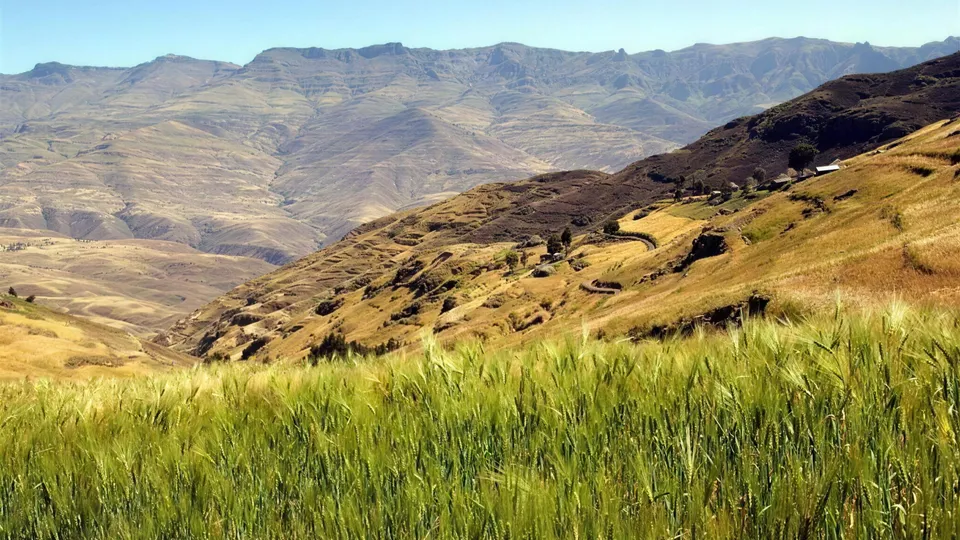
- Addis Ababa is about 2,350 m; Simien and Bale reach 4,000 m+ — acclimatise and ascend gradually
- Water and food
- Drink bottled or properly filtered water; avoid ice and unwashed raw salads
- Timing
- See a travel clinic 6–8 weeks before departure, since some vaccines need several doses
- Insurance
- Choose cover that includes medical evacuation, altitude and trekking — and check your government's advisory
Vaccines: what is generally recommended
Different health agencies give slightly different lists, and they change, so always check the current guidance from your national health service or the CDC. The general picture is:
- Routine vaccines up to date — such as tetanus, diphtheria, pertussis, measles, mumps, rubella, polio and your annual flu shot.
- Yellow fever — generally recommended for travellers aged 9 months or older, with an exception for itineraries limited to the Afar or Somali regions. A yellow fever certificate can also be required for entry depending on where you have travelled from or transited — see visa and entry requirements.
- Hepatitis A and typhoid — commonly suggested for most visitors because of food and water risks.
- Others for some travellers — hepatitis B, rabies, meningococcal and cholera may be advised depending on your activities, how long you stay and how remote you go.
Some vaccines need several doses over weeks, which is why an appointment 6 to 8 weeks before departure matters.
Malaria: it depends on altitude and route
Malaria risk in Ethiopia depends on where you go. Sources generally describe Addis Ababa and the cool highlands as having no or very low risk, while lower-altitude areas — the south, the west and the lowlands such as the Omo Valley, Awash and the Rift Valley lowlands — carry risk. The altitude cut-off quoted varies between roughly 2,000 and 2,500 metres, so the right advice depends on your exact itinerary. Ask your clinic whether you need antimalarial tablets, and reduce bites in any case with repellent, long sleeves at dusk and, where relevant, a bed net.
Altitude: the first two days
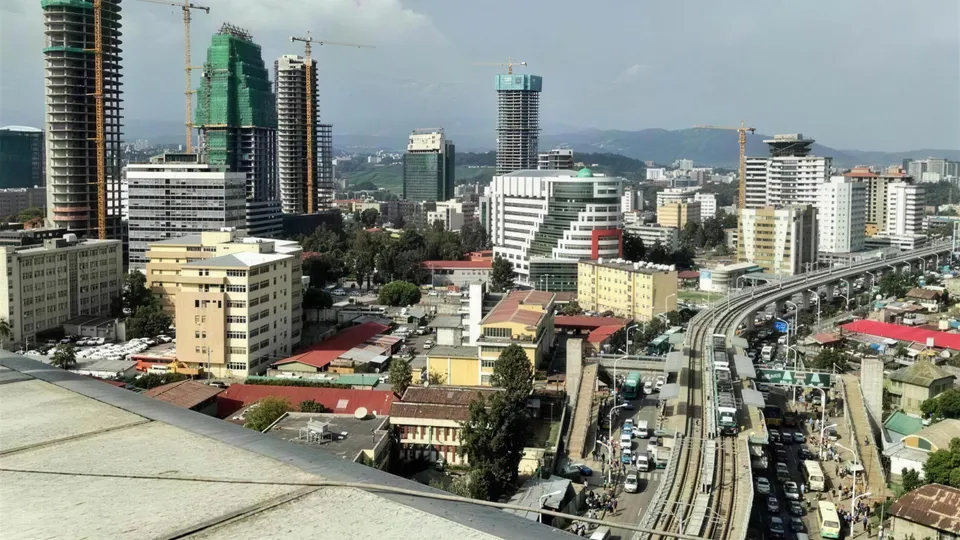
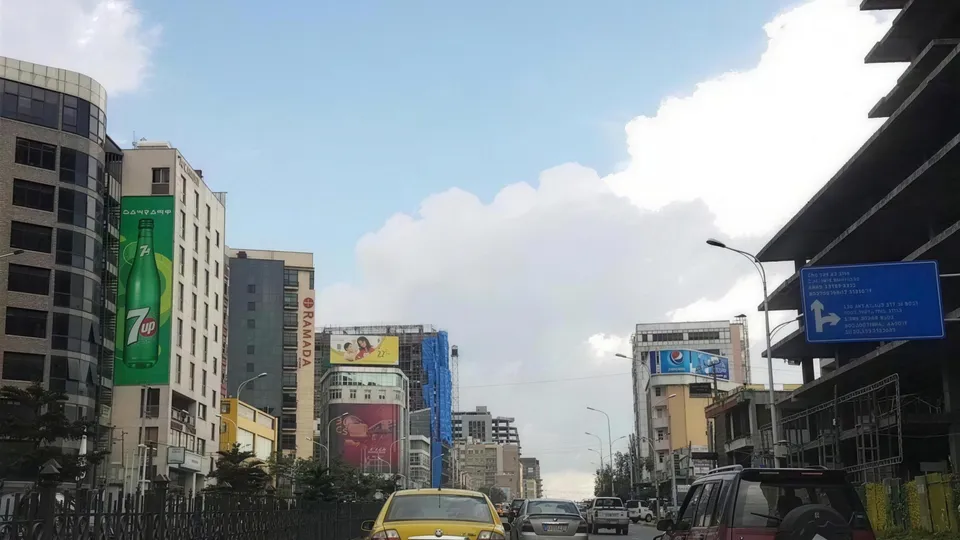
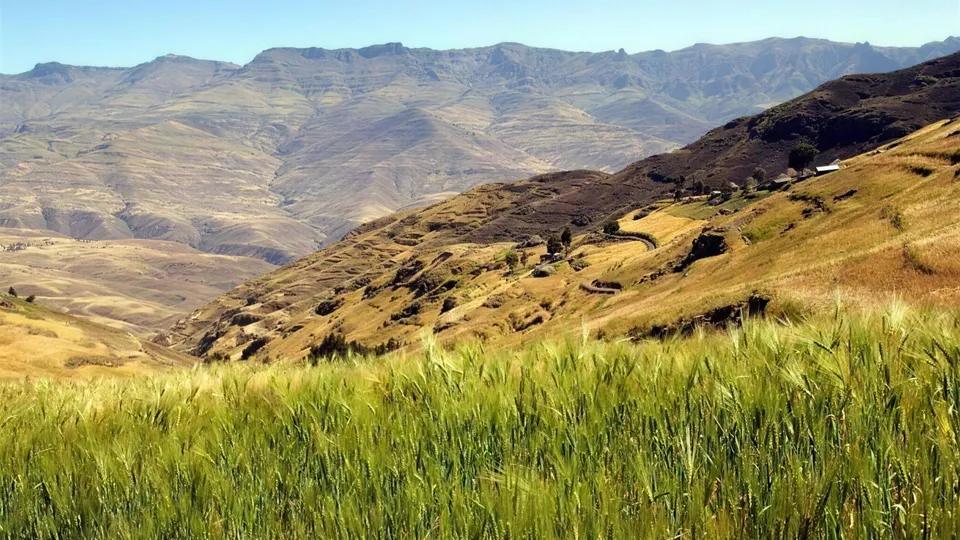
Addis Ababa sits at roughly 2,350 metres, so expect some breathlessness, a headache or light sleep for a day or two. Go slowly on arrival, drink water, avoid heavy exertion and alcohol, and keep the first day gentle. The Simien and Bale mountains rise well above 3,000 metres, where altitude illness is a real risk; ascend gradually, rest, and tell your guide if you feel unwell. If you have a heart or lung condition, asthma or a history of altitude problems, speak to your doctor before you go. See the Simien trekking guide and Bale Mountains guide.
Water, food and stomach trouble
Travellers are generally advised not to drink tap water. Stick to sealed bottled water or water that has been properly filtered or purified, avoid ice in cheap places, and skip raw salads and unpeeled fruit washed in tap water. Eat food that is cooked hot and fresh, and wash or sanitise your hands before eating — Ethiopian food is eaten by hand. Travellers' diarrhoea is the most common complaint, so carry oral rehydration salts and basic remedies. Our cheap eats guide and the what to order guide explain which dishes are safest to start with.
A travel health kit for Ethiopia
- Your own prescriptions in original packaging, plus a copy of the prescription.
- A compact first-aid kit: plasters, antiseptic, blister care, pain relief.
- Oral rehydration salts and anti-diarrhoeal medicine (ask a pharmacist what suits you).
- Insect repellent and, for lowland trips, a bed net.
- High-SPF sunscreen, lip balm and sunglasses — see our what to wear guide.
Insurance, safety and where to get care
Medical care in Addis Ababa is far better than in rural areas, and serious emergencies in remote regions often mean evacuation — which is why insurance that covers evacuation, altitude and trekking matters. Most policies are void in regions your government advises against, so read our travel insurance guide and safety guide before you book. For the full pre-trip list, see things to buy before travelling to Ethiopia.