Ethiopian music does not sound like anywhere else — the scales are pentatonic and slightly vertiginous to a Western ear, the rhythms are built for shoulders rather than feet, and the singing carries a wobble that takes a night or two to love. Addis has two ways to encounter it: the polished dinner show, and the small back-room where a singer with one string improvises verses about your haircut. Both are worth doing, for different reasons.
Key facts
- The real thing
- Fendika, Kazanchis — azmari + dance, from ~9 p.m.
- Best dinner show
- Yod Abyssinia — polished, family-friendly
- Traditional instrument
- Masinko (one string) · krar (lyre) · kebero
- Typical cost
- 300–800 birr for food; drinks extra
- Dress
- Smart casual; nobody dresses up much
- Timing
- Shows 7–9 p.m.; azmari bets get going after 10
The dinner shows
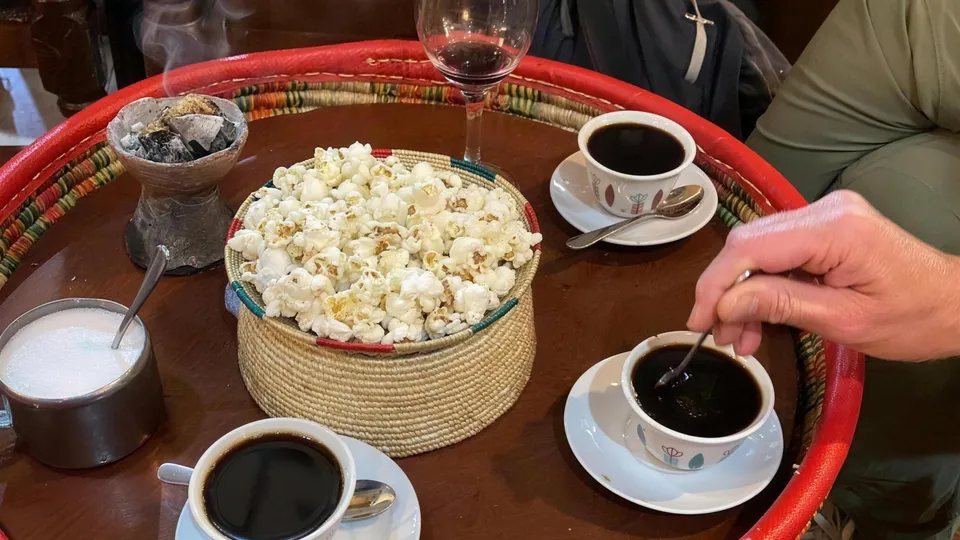
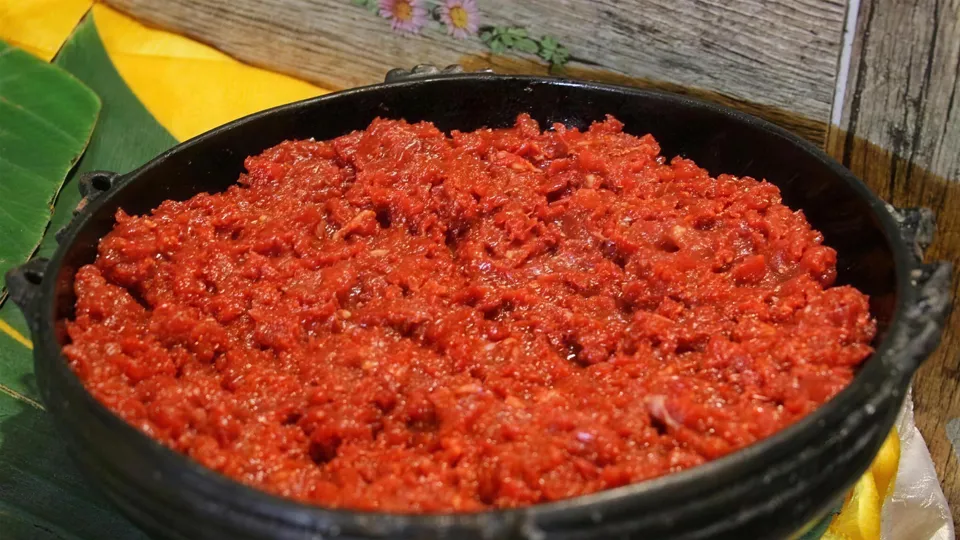
Large, professional, and unapologetically aimed at visitors and diaspora families celebrating something. Expect a stage, a rotating programme of dances from across the country — Amhara eskista shoulder-work, Tigrayan circle dances, Oromo, Gurage, Somali — and food served on a communal mesob basket.
- Yod Abyssinia — the best-known, with several branches; the most polished show and the easiest with children or a group. Book at weekends.
- Habesha 2000 — similar formula, slightly livelier crowd, strong live band.
- 2000 Habesha Cultural Restaurant — big, boisterous, good for a celebration.
Food is decent rather than exceptional and costs roughly double a neighbourhood restaurant — you are paying for the show, which is genuinely excellent. Arrive by 7 for a full programme; dancers usually pull guests up towards the end, and resistance is both futile and unnecessary.
The azmari bets
This is the older, rawer tradition. An azmari is a travelling minstrel-satirist, and an azmari bet is the small room where that art still happens nightly: a masinko (single-string spike fiddle), sometimes a krar (lyre) and kebero drum, and a singer improvising rhymed verse about everyone present.
The verses are pointed. They tease the man who arrived with two women, praise whoever tips, mock the government within the limits of the moment, and — inevitably — turn to the foreigner in the corner. When the room laughs and looks at you, that is the game. Tip generously by tucking a note on the singer's forehead or into the masinko; it is the expected response and it buys you a kinder verse.
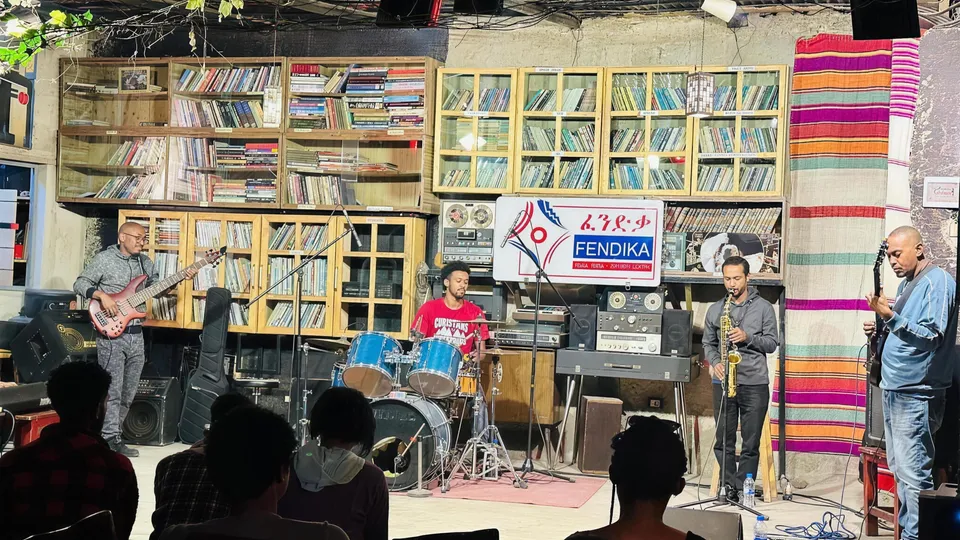
- Fendika (Kazanchis) — the essential one. Run by dancer Melaku Belay, it has grown from a back-street azmari bet into a cultural centre hosting Ethio-jazz, contemporary dance and international collaborations, without sanding down the tradition. Go after 9; later is better.
- The Piassa and Kazanchis backstreets hold a dozen smaller, unnamed azmari bets. Go with an Ethiopian friend or a guide — these are neighbourhood rooms, not venues, and the welcome is much warmer when you arrive with someone local.
Ethio-jazz and everything after
Addis invented a genre. In the late 1960s and 70s, musicians like Mulatu Astatke fused traditional pentatonic scales with jazz and funk, producing the hypnotic, slightly melancholy sound that later filled the Éthiopiques reissues and half the film soundtracks of the last twenty years.
You can still hear it live. Jazzamba and the bars around Piassa and Kazanchis run live sets several nights a week, and Fendika programmes Ethio-jazz regularly. Listings are informal — ask your hotel, or simply ask at Fendika what is on this week.
Practical notes
- Cost: 300–800 birr for dinner at a cultural restaurant; azmari bets charge little or nothing for entry but expect drinks and tips.
- Tipping the musicians is part of the form, not an extra. 50–200 birr, placed on the forehead or into the instrument.
- Timing: dinner shows 7–9 p.m.; azmari bets fill after 10 and run late.
- Getting home: order a car through Ride or Feres rather than walking or flagging one down late. See our safety guide.
- Fasting days (Wednesday, Friday, Lent) change the menu, not the music — order the beyaynetu and enjoy some of the best vegan food anywhere.
- Photography: fine at dinner shows, ask first in azmari bets.
For daytime eating, see our food guide; for family-friendly options, family restaurants in Addis.