Ask when to visit Ethiopia and you'll hear 'October to March' — true, and insufficient. This is a country running on its own thirteen-month calendar, where the same January morning means -5°C frost in the Simiens and 38°C salt-haze in the Danakil, and where the single best reason to pick a date isn't weather at all: it's a festival. Here's the honest month-by-month.
Key facts
- Headline answer
- October–March (dry, clear, festival-rich)
- Green season
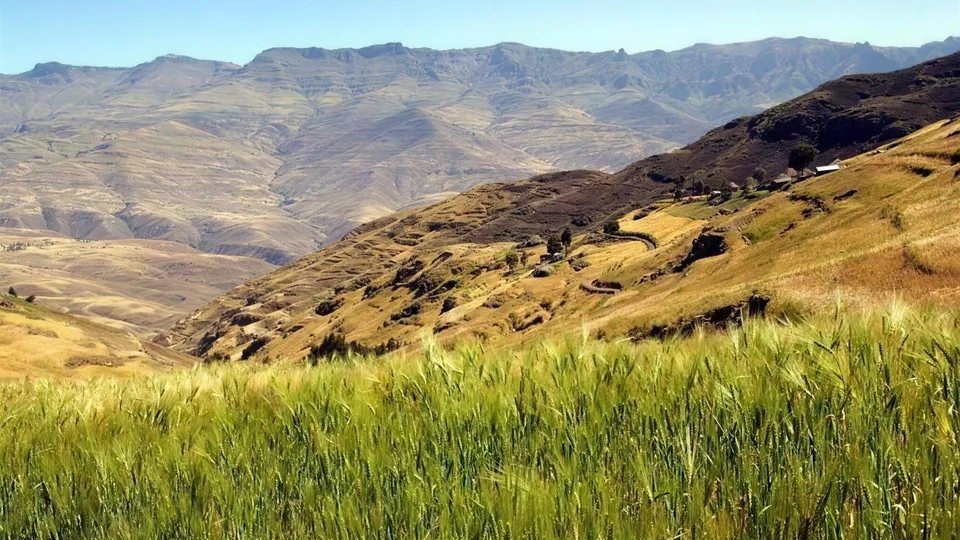
- October–November — landscapes at their best
- Main rains (kiremt)
- June–September, heaviest Jul–Aug
- Danakil window
- November–February only
- Festival anchors
- Timkat (Jan), Meskel (Sep), Genna (Jan)
- Crowd peak
- Christmas–January; book early
The two Ethiopias (weather edition)
Forget latitude; altitude is everything. The highlands (Addis, the whole northern circuit, Bale) sit at 2,000–3,500 m: eternal spring by day, cold nights, one main rainy season (kiremt, June–September). The lowlands (Danakil, Omo, the east) are hot always and dangerous-hot in northern summer. Every itinerary is really a negotiation between these two climates — which is why October–February wins: highlands dry and clear, lowlands merely hot instead of lethal.
Month by month
| Months | What's happening | Verdict |
|---|---|---|
| Oct–Nov | Post-rains: green highlands, wildflowers, clear air, Meskel (late Sep) just past | ★ The connoisseur's window |
| Dec–Jan | Peak season: Genna & Timkat, driest trails, coldest nights, busiest sites | ★ Festival gold — book early |
| Feb–Mar | Warm, dry, hazier; last comfortable Danakil weeks; fewer crowds | Excellent all-rounder |
| Apr–May | Short rains in places, building heat below; Fasika (moveable) is a cultural peak | Good for culture, shoulder prices |
| Jun–Sep | Kiremt rains: mud, mist, drama; waterfalls at full power; Blue Nile Falls at its best | Green season for the flexible |
| Sep | New Year (11th) & Meskel (27th): daisies gild the hills, the year's most joyful fortnight | ★ Underrated brilliance |
Decide by what you're doing
- Northern circuit (Lalibela–Gondar–Axum): any dry month; January for festivals, October for landscapes.
- Simien or Bale trekking: October–March; October–November for green + clear (see the Simien guide).
- Danakil: November–February, non-negotiable (details here).
- Omo Valley: September–March; market days matter more than months.
- Festivals first: Timkat 19–20 Jan, Genna 7 Jan, Meskel 27 Sep — full calendar in the festivals guide.
What peak season really costs you
Ethiopia's "crowds" are gentle by global standards — even January Lalibela outside Genna week feels calm compared with Machu Picchu any day. The real peak-season taxes are hotel availability in small northern towns and domestic flight seats around festivals. Reverse logic follows: if you can't book early, travel October–November or February–March and enjoy 90% of the experience with 60% of the competition.