Turmi is Hamar country — a dusty southern-Omo town of thorn-fenced villages, ochre-braided hair and cattle wealth, where a young man still leaps naked across a line of bulls to earn the right to marry. Visited slowly and on market days, it's one of the most memorable stops in Ethiopia. Here are the experiences worth planning around, and how to arrange them with respect.
Key facts
- What Turmi is
- The heart of Hamar country, southern Omo
- Signature event
- Bull-jumping (ukuli bula) — a coming-of-age rite
- Night dance
- Evangadi, under the stars (Hamar & Banna)
- Market day
- Turmi (Mon), Dimeka (Sat — the best)
- Day trip
- Karo villages at Korcho, above the Omo River
- Getting there
- By 4x4 from Jinka / Arba Minch; fly to Jinka first
The bull-jumping & evangadi
The great set-piece is the ukuli bula (bull-jumping), the three-day rite in which a young Hamar man vaults a row of cattle to pass into adulthood — often preceded by the evangadi night dance and the striking (and much-debated) whipping rituals. There's no schedule; ceremonies cluster after harvest and are heard of locally days ahead, so keep a flexible day and let a Turmi guide watch for one. Attend as a respectful guest and pay the family's fee through your guide. The wider context is in our Omo Valley guide.
Dimeka & Turmi markets
The weekly markets are the reliable heart of a Turmi visit — Dimeka on Saturday is the big one, Turmi on Monday the quieter close. This is where you meet the Hamar, Banna and Tsemay as traders and neighbours, buy honey and beadwork directly, and take the kind of unhurried photographs that come after a conversation.
Day trip to the Karo at Korcho
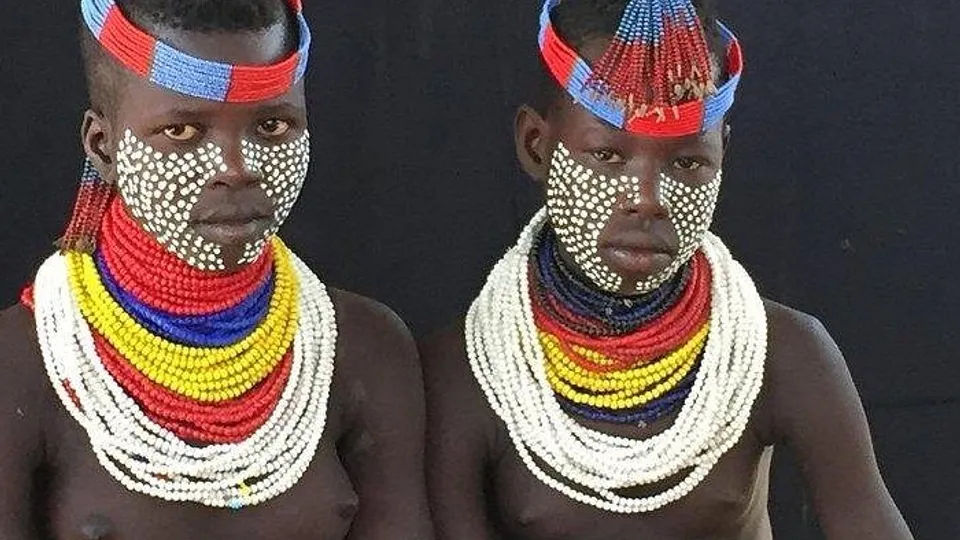
The valley's most spectacular viewpoint is Korcho, a Karo village on a bluff above a great bend of the Omo River. The Karo are renowned for elaborate white body painting; the setting — river, bend and big sky — is unforgettable at golden hour. It's a half- to full-day trip from Turmi by 4x4.
Getting there & planning
There's no useful public transport; travellers reach Turmi by private 4x4, usually flying Addis → Jinka then driving south, or via Arba Minch. Pair Turmi with Jinka to the north and Omorate to the south for a complete Omo loop. Go September–March, budget US$150–250 per day for two (vehicle, driver-guide, lodging) plus village and photo fees, and read the etiquette section of our Omo guide before you go — how you travel here matters more than where.