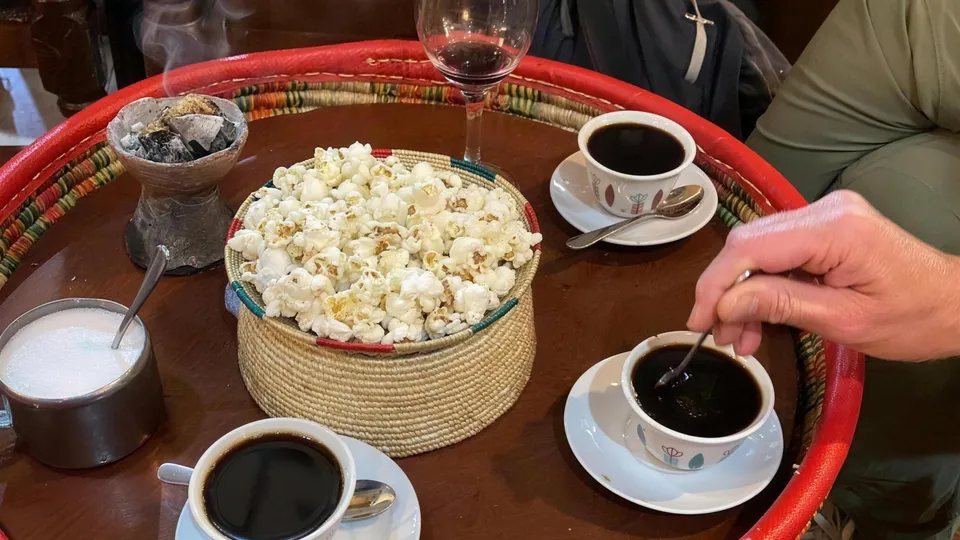
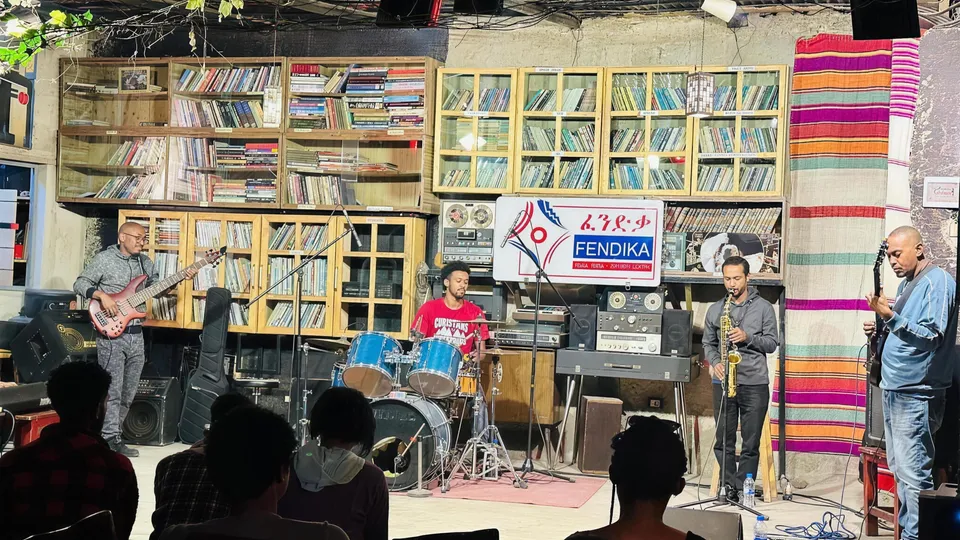
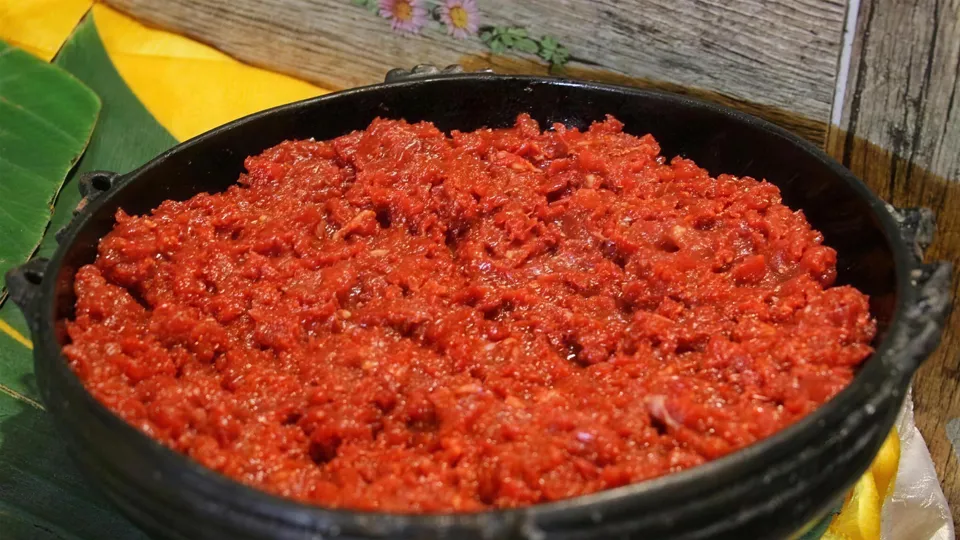
Ethiopia keeps its own time — its own calendar, its own clock, its own millennium — and its festivals are where that parallel world becomes visible. Streets turn white with robes, bonfires the height of buildings blaze in city squares, and replicas of the Ark of the Covenant dance through crowds under sequined umbrellas. If you can point your trip at one of these dates, do it: no landscape in Ethiopia outperforms its calendar.
Key facts
- Timkat (Epiphany)
- 19–20 January (18–19 in leap years)
- Meskel
- 27 September (26 in leap years)
- Genna (Christmas)
- 7 January
- Fasika (Easter)
- Orthodox calendar — often ≠ Western Easter
- Best Timkat venues
- Gondar, Lalibela, Addis Ababa
- Book ahead
- Flights & hotels 3–6 months for Timkat/Genna
Timkat — the great baptism (19–20 January)
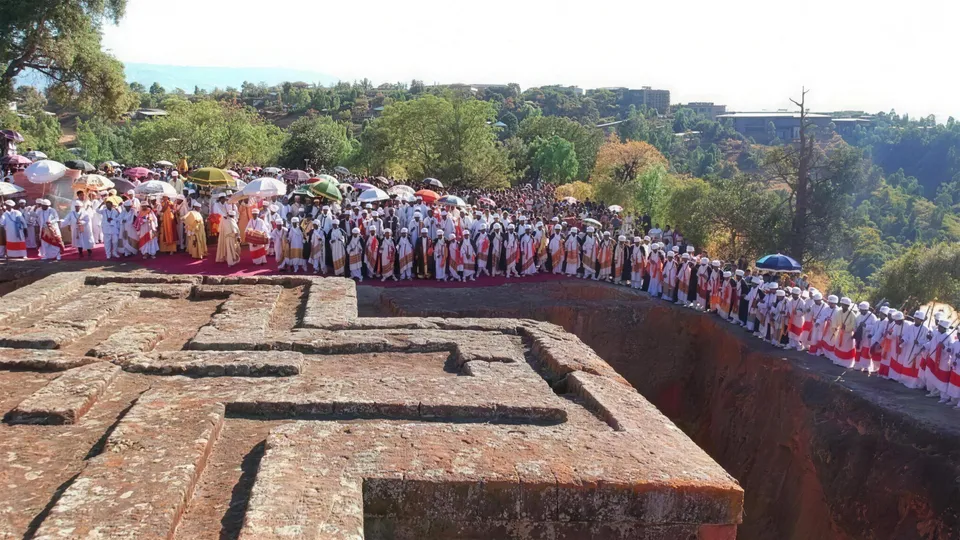
Epiphany, Ethiopia's biggest festival, celebrates Christ's baptism with a full-scale re-enactment. On the eve, Ketera, the tabots (replica Ark tablets that make every Ethiopian church a small Zion) leave their sanctuaries — the only time each year — and process to water under embroidered umbrellas, on the heads of priests, through drumming, ululating crowds. The night is a vigil of chant and candles. At dawn the water is blessed; in Gondar, the emperor's great bath fills for its single annual use and young men cannonball into the holy water in a spray of joy. Everyone gets sprinkled; vows are renewed; the tabots dance home through streets carpeted with grass.
Traveller's playbook: Gondar for the icon, Lalibela for the setting, Addis for ease. Book flights and beds 3–6 months out, arrive a day before Ketera, dress modestly with shoulders covered, and follow the crowd's lead — visitors are welcomed warmly, especially those who stand through the boring bits too.
Meskel — the finding of the cross (27 September)
Meskel celebrates Empress Helena's 4th-century discovery of the True Cross, located — the story goes — by following the smoke of a bonfire. So Ethiopia lights bonfires: the Demera, huge cone-shaped pyres topped with crosses and yellow Meskel daisies, burned on the eve in every town square. The greatest is Addis Ababa's Meskel Square, where hundreds of thousands gather with priests, choirs and torch-bearers — UNESCO lists it as intangible heritage. Where the charred central pole falls is read as an omen for the year. Coming right after the rains, with the highlands gold with daisies and the New Year (11 September) just past, it's arguably Ethiopia's most joyful week.
Genna & Fasika — Christmas and Easter
Genna (7 January): quieter and holier than Western Christmas — all-night services, white robes, and in Lalibela an astonishing convergence of up to 100,000 pilgrims camped around the rock churches. If you want Lalibela at maximum voltage, this is the date (see our Lalibela guide). Fasika (Orthodox Easter): the emotional peak of the year, ending a 55-day vegan fast; the midnight service crescendos at 3am and the feasting after dawn is Ethiopia at its warmest. Dates follow the Orthodox calculation — check the year before planning.
Festival calendar to 2028
| Festival | 2026 | 2027 | 2028 |
|---|---|---|---|
| Timkat | Jan 19–20 | Jan 19–20 | Jan 19–20* |
| Fasika (Easter) | Apr 12 | May 2 | Apr 16 |
| New Year (Enkutatash) | Sep 11 | Sep 12* | Sep 11 |
| Meskel | Sep 27 | Sep 28* | Sep 27 |
| Genna (Christmas) | Jan 7 | Jan 7 | Jan 7 |
*Leap-year shifts; always confirm locally when booking. Muslim festivals (Eid, Mawlid — Harar's Mawlid is special) follow the lunar calendar and move ~11 days earlier each year.