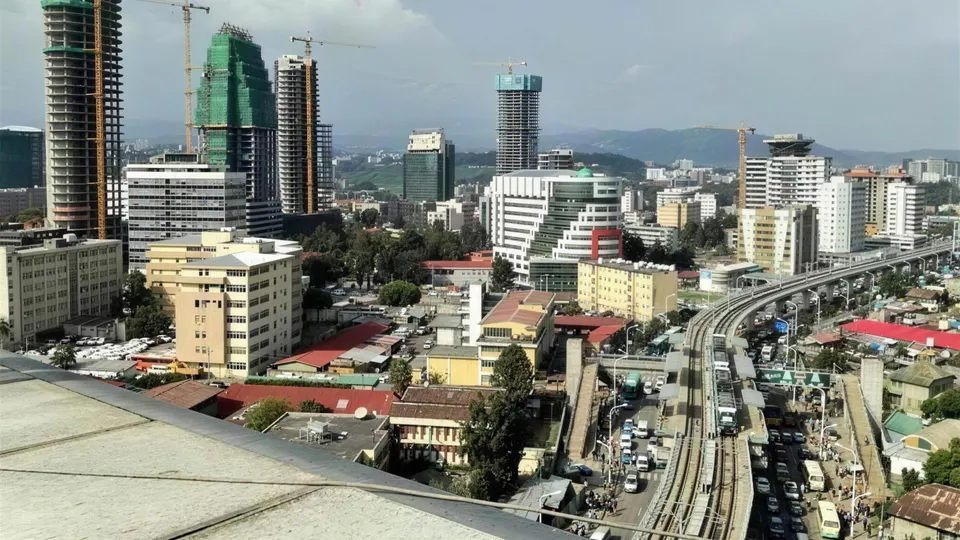
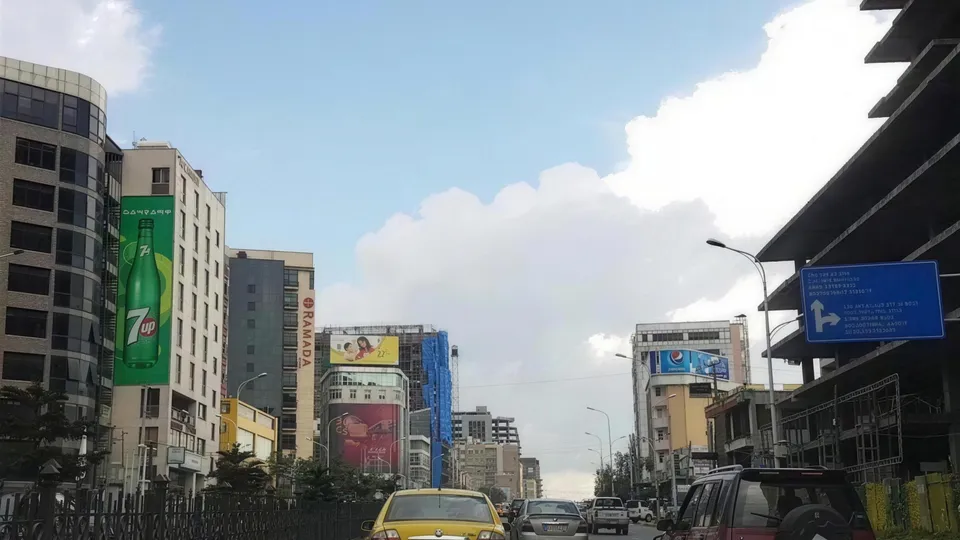
The most common packing mistake for Ethiopia is dressing for the stereotype — heat — when most of the historic route sits above 2,000 metres, where mornings are cold, midday sun is fierce and the main rains can soak an afternoon. The right wardrobe depends on two things: when you go and where you are standing. This guide gives you both: what to wear by season, what to wear by terrain, which pieces are worth buying before you fly (rain jacket, sunglasses, hat, shoes, layers), and what to leave at home.
Key facts
- The core rule
- Dress for altitude and season, not for "Africa" — Addis Ababa sits at about 2,350 m and most of the historic route is above 2,000 m
- Dry season (Oct–Feb)
- Sunny days, cold nights — sunglasses, hat, sunscreen, plus a fleece or light down jacket for mornings and evenings
- Main rains (Jun–Sep)
- Heavy afternoon downpours — a packable rain jacket, quick-dry layers and waterproof shoes
- Short rains (roughly Mar–May)
- Showers rather than a washout — keep a light rain jacket in your daypack
- Mountains (Simien, Bale)
- Camps at 3,000 m+ can fall to freezing at night — thermal base layer, warm hat, gloves
- Lowlands (Omo, Awash, Afar)
- Hot, dusty and sun-exposed — loose long sleeves, wide-brim hat, closed shoes, neck cover
- Always
- Modest, covered shoulders and knees at churches, and shoes you can slip off easily
The one rule: dress for altitude, then season
Addis Ababa is at roughly 2,350 metres, Lalibela around 2,500, and the Simien and Bale camps climb past 3,000. At that height the sun is strong, the air is thin and dry, and temperatures swing dramatically between a warm midday and a cold night. So the winning approach is layers: a light base layer, a fleece or light down jacket, a waterproof shell and sun protection, adjusted to your route and dates. Our what to pack for Ethiopia guide has the full checklist; this page focuses on what to wear and why.
What to wear by season
Dry season (roughly October to February): sun by day, cold at night
This is the best time to travel and the easiest to pack for. Days are sunny and bright, nights and early mornings are cold, especially at altitude. Bring sunglasses, a hat and high-SPF sunscreen for the day, and a fleece or light down jacket for mornings and evenings. Light, breathable shirts and trousers work for walking; save one warmer outfit for dinner and early starts.
Main rainy season (roughly June to September): rain jacket, quick-dry layers
Expect heavy downpours, often in the afternoon, and muddy paths. Pack a packable waterproof jacket (more useful than an umbrella on slippery steps and in church compounds), quick-dry trousers and shirts that dry overnight, and shoes with good grip that tolerate wet ground. Cotton stays damp for days, so favour synthetics or merino. Landscapes are green and crowds are thin, which is a real reward for the prepared.
Short rains (roughly March to May): showers, not washouts
The short rains bring intermittent showers rather than all-day rain. A light rain jacket in your daypack and a hat for the sunny intervals is usually enough. Shoes that dry quickly beat heavy waterproof boots unless you are trekking. See when to visit and Ethiopia in every season to match your dates.
What to wear by terrain
Addis Ababa and the cities
Smart-casual and layered. Comfortable walking shoes, light trousers or a long skirt, a shirt or two, and a fleece for the evening. Cities are more relaxed than rural areas, but modest dress still earns warmth, and Addis evenings can drop to the single digits Celsius in the cooler months.
Lalibela, Gondar, Axum and the northern churches
Dress for the church, not the beach: shoulders and knees covered, slip-on shoes you can remove constantly, and thick socks for cold, worn stone floors. Women often carry a light shawl or buy a netela locally. Our dedicated what to wear to Ethiopian churches guide covers the rules in detail, and the Lalibela guide shows what a church day looks like.
Simien and Bale mountains: cold, exposed, steep
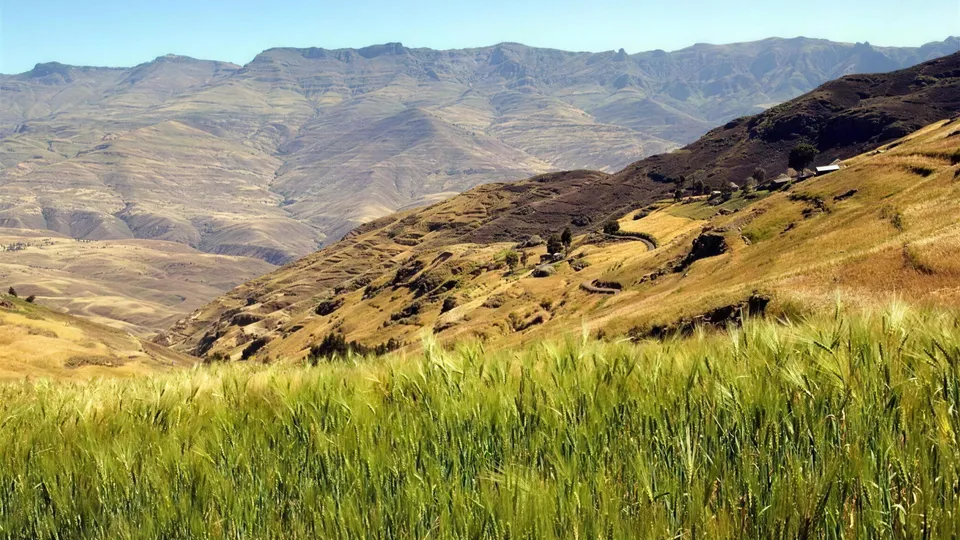
Treat these as proper mountain trips. Camps sit above 3,000 metres and nights can fall to freezing. You need a thermal base layer, a fleece or down jacket, a waterproof shell, a warm hat and gloves, broken-in waterproof boots with ankle support and trekking poles for steep descents. The sun is strong at altitude, so sunglasses, a brimmed hat and sunscreen are not optional. Read the Simien trekking guide and the Bale Mountains guide for route-specific planning.
Omo Valley and the southern lowlands: heat, dust and sun
The south is hot, dusty and exposed, with long drives on rough roads. Wear loose, lightweight long sleeves and trousers that protect from sun and insects, a wide-brim hat, sunglasses, a neck gaiter or scarf to keep dust off, and closed shoes for rough ground. In the rains, tracks turn to mud, so waterproof layers and shoes that dry quickly matter. Our Omo Valley guide covers respectful travel there, and you should discuss malaria precautions and repellents with a travel clinic before you go.
The Danakil Depression: extreme heat — and a travel advisory
If and when departures run, the Danakil is among the hottest places on Earth, with shade-free days well above 40°C. The standard kit is lightweight long sleeves, a wide-brim hat, serious sun protection, plenty of water and closed shoes with thick soles for sharp, hot ground. But please read the advisory above first: most travel insurance is void in a region your government says not to visit. Our Danakil guide explains the situation and what responsible operators do.
The pieces worth buying before you fly
You can buy a netela and many basics in Ethiopia, but good technical gear is hard to find and often expensive upcountry. Buy these at home, and break them in:
- A packable rain jacket — essential June to September, useful year-round in the mountains.
- Sunglasses and a hat — highland sun is fierce, and quality is hard to find locally.
- Broken-in shoes — one grippy walking pair, and boots if you are trekking.
- A fleece or light down jacket — for cold mornings and nights.
- Thick socks — for church floors and boots.
- High-SPF sunscreen and lip balm — hard to buy well outside Addis.
Our companion guide, things to buy before travelling to Ethiopia, covers the full list, including health, security and tech.
What to leave at home
- Camouflage or military-style clothing — it can attract unwanted attention in many countries; choose neutral civilian colours.
- Revealing or sleeveless tops for church visits and rural areas.
- Brand-new boots you have not walked in.
- Heavy cotton in the rainy season, which stays damp for days.
- Flashy jewellery and conspicuous gear in crowded markets — see our scams guide.
Cover the trip itself
Altitude, trekking and remote regions are exactly where insurance matters — see our travel insurance guide, and plan your route with the 10-day itinerary and the eSIM and SIM guide so you land connected.