Packing for Ethiopia trips up more people than almost any other African destination, because it isn't one climate — it's several, sometimes in a single day. You can shiver at a 2,400-metre dawn and sweat in a desert the same week; you can be turned away from a church for bare shoulders and grateful for a fleece an hour later. Get the layering and the modesty right, bring the few things Ethiopia makes hard to buy, and everything else falls into place. Here's the complete list.
Key facts
- The big idea
- Layers — highland mornings are cold, lowland afternoons are hot
- Altitude
- Addis sits at ~2,400 m; nights are chilly year-round
- Extreme end
- The Danakil is one of Earth's hottest places — pack for 40°C+
- Dress code
- Modest clothes + a scarf for churches and mosques
- Non-negotiables
- Sun protection, a power bank, cash, and any meds you need
- Feet
- Broken-in walking shoes; sandals for lowland heat
The one principle: layers, not a climate
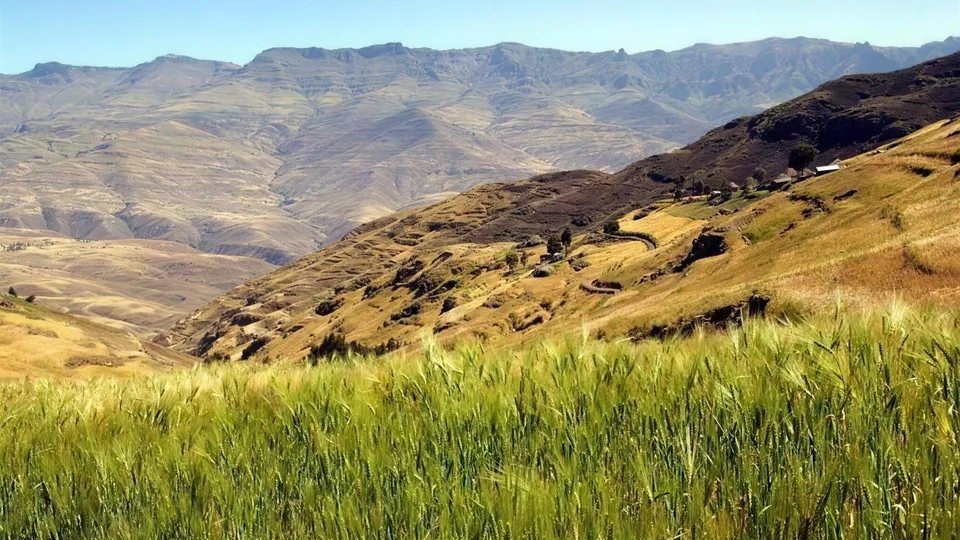
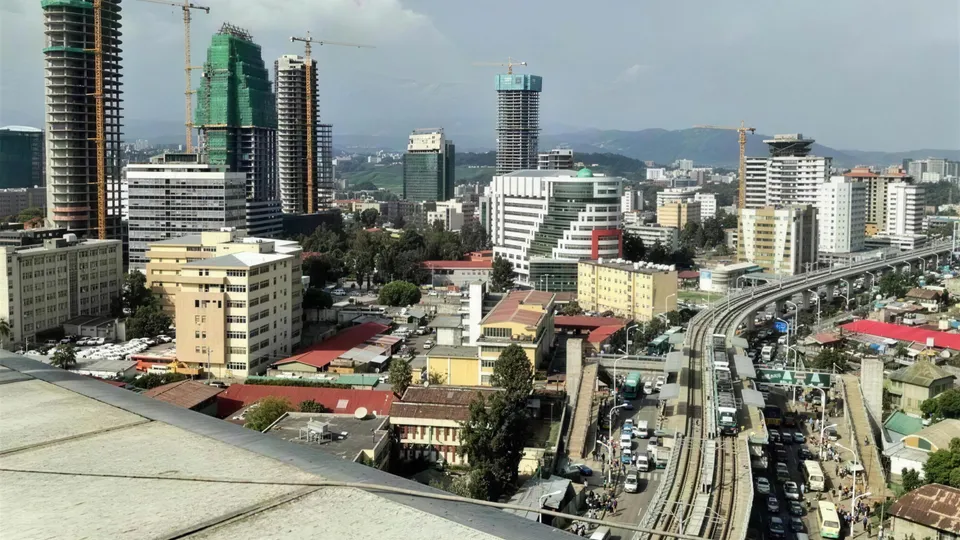
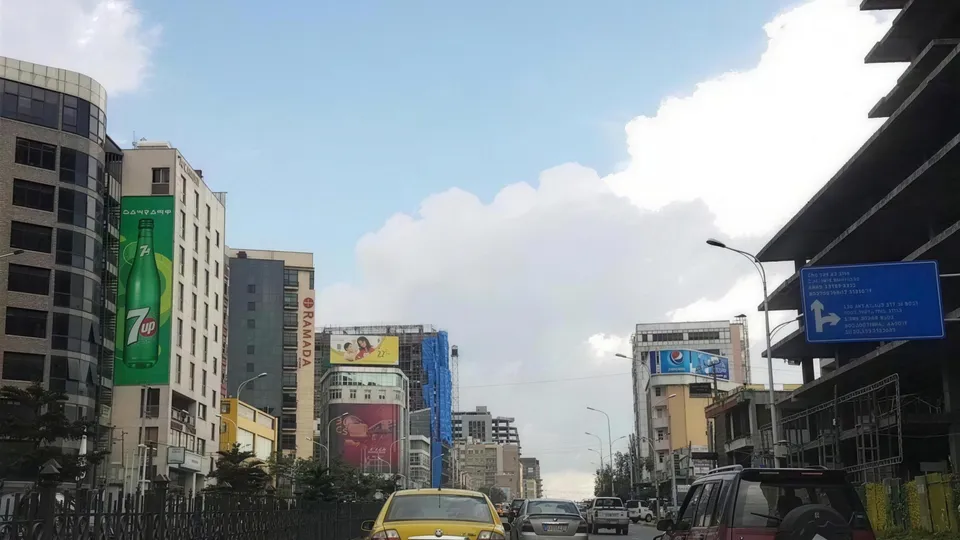
Ethiopia's defining packing fact is altitude and range. The highlands — Addis (around 2,400 m), Lalibela, Gondar, the Simien — are cold at dawn and dusk and strong-sunned at midday. The lowlands — the Danakil, the Omo Valley, the Rift lakes — run from hot to genuinely extreme. Pack a versatile layering system that spans both, and you'll be comfortable everywhere without hauling two wardrobes.
Clothing
- Modest base layers — light, breathable tops with sleeves, trousers and long skirts that cover shoulders and knees. This is the backbone, appropriate everywhere.
- One warm layer — a fleece or light down jacket for highland mornings, evenings and Simien nights.
- A windproof/light rain shell — highland weather turns, and the trekking routes need it.
- Hot-weather kit — loose light clothing, a wide-brim hat and sandals for the Danakil, Omo and lakes.
- A scarf — the hardest-working item you'll pack: churches, mosques, sun, dust and cold evenings.
- Trekking extras (Simien/Bale) — proper layers, a warm hat and gloves; it can approach freezing at altitude.
Favour muted, practical colours over bright resort wear, and see our church dress guide for the sacred-site rules that catch people out.
Feet
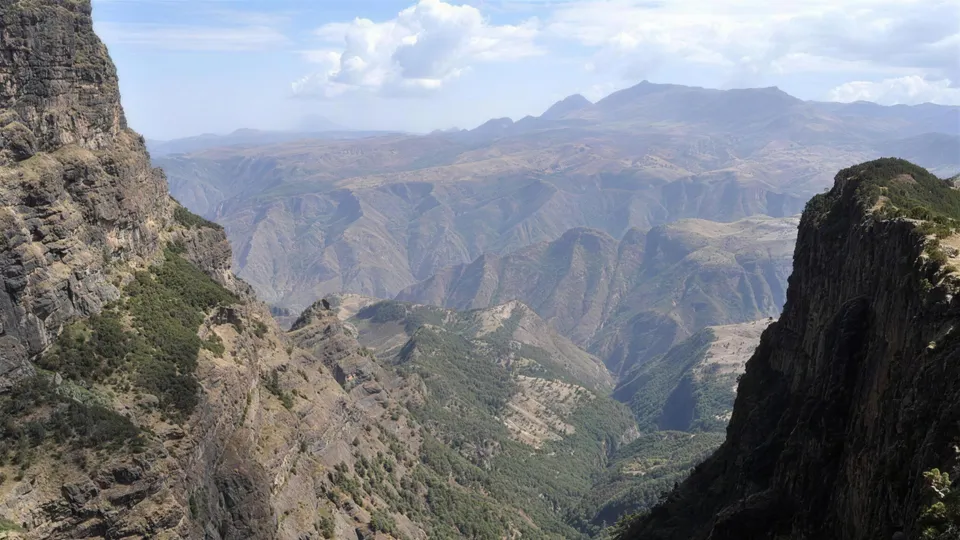
Broken-in walking shoes are non-negotiable — rock-hewn churches, cobbled compounds and trails all demand grip, and new boots on day one is a mistake you feel for a week. Add sandals for lowland heat and hotel downtime, and closed shoes for the sharp volcanic ground if you're going to Erta Ale.
The things Ethiopia makes hard to buy
This is the list that saves trips, because you can't easily replace these on the road:
- Cash: clean, recent US dollars plus small notes. Ethiopia is a cash economy and worn bills get refused — see our money guide.
- Power bank + universal adapter. Power cuts happen; remote lodges have little charging.
- A personal medical kit — your own prescriptions, rehydration salts, anti-diarrhoea and altitude remedies. Upcountry pharmacies are limited.
- High-SPF sun cream, lip balm and sunglasses. The highland sun is fierce and these are hard to buy well.
- Offline maps and downloaded confirmations. Networks get cut — our connectivity guide explains why this matters.
- A headtorch for power cuts, dark church interiors and pre-dawn starts.
Health and documents
- Yellow fever certificate — often required for entry; check the current rule and carry the card. Malaria precautions for the lowlands (Omo, Gambela); the highlands are largely malaria-free.
- Printed e-visa, insurance policy and its emergency number, and passport copies. Keep them offline as well as on paper.
- Travel insurance that covers what you'll do — trekking altitude and remote regions in particular. Our insurance guide covers the exclusions that catch people out.
The bag itself
A soft duffel or backpack beats a hard case on small domestic flights, rough roads and rougher airport handling, and packs down when you're moving between towns. Add a day pack for water, camera, sun kit and layers between hotel and site. Keep it light: you'll be lifting it in and out of vehicles and onto luggage scales for those domestic flights more than you expect.
The short version
Layers for the range, modesty and a scarf for the culture, sun protection for the altitude, cash and a power bank for the infrastructure, broken-in shoes for the ground, and your own medical kit for the distances. Nail those six and Ethiopia's climate whiplash becomes a non-issue — leaving you free to enjoy the only country where you might need a fleece and a sun hat in the same afternoon.
Sleeping outdoors changes this list considerably — our camping in Ethiopia guide covers the cold-weather kit the highlands actually demand.