Most guides reduce Ethiopia to one line — 'visit October to March' — and waste three quarters of the country's calendar. But this is a land with its own thirteen-month year, where every season stages something the others can't: gold-drowned hills in September, midnight processions in January, thundering waterfalls in August. Here's what Ethiopia does best in every season, and exactly where to stand when it does.
Key facts
- Dry season
- October–March: trekking, festivals, Danakil
- Green season
- June–September: waterfalls, empty sites, low prices
- Golden fortnight
- New Year (11 Sep) → Meskel (27 Sep)
- Festival peak
- Genna (7 Jan) & Timkat (19–20 Jan)
- Coffee harvest
- October–January in the south
- Bird migration
- November–February, Rift Valley lakes
September–October: the golden reopening
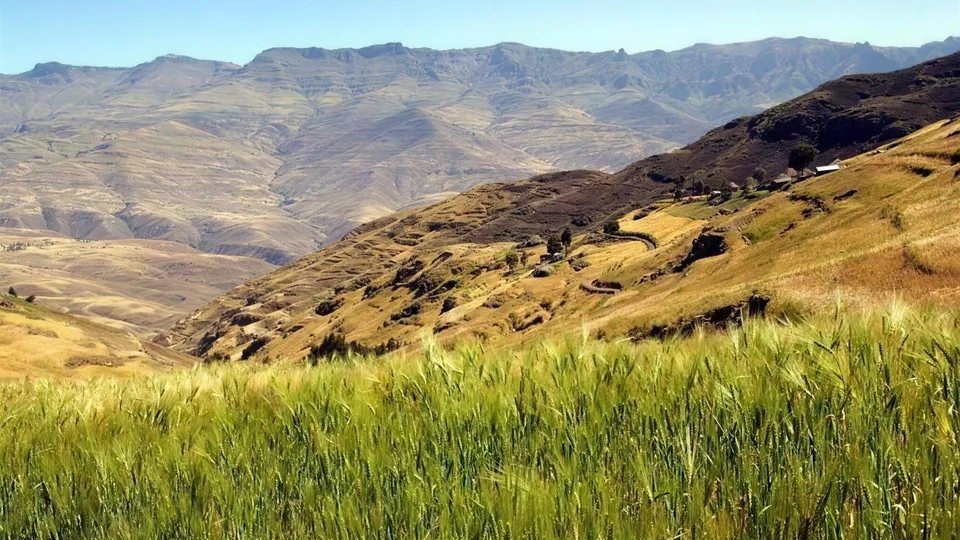
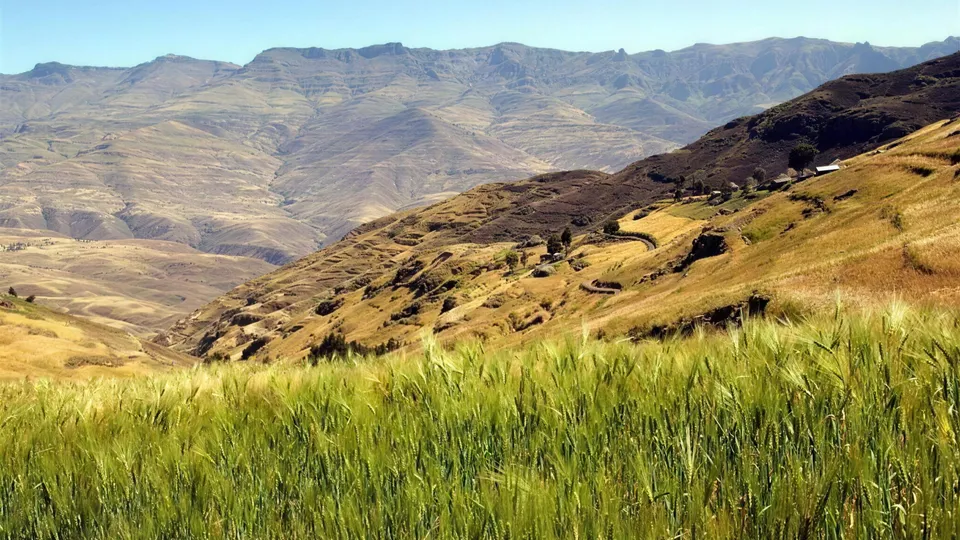
The rains stop, and Ethiopia throws its biggest fortnight. Enkutatash (New Year, 11 September) fills homes with song; sixteen days later Meskel burns its great Demera bonfires under UNESCO's intangible-heritage listing. The visual signature is unforgettable: whole highlands turned yellow with adey abeba daisies, air rinsed clean, streams full. Trekking trails in the Simiens and Bale reopen at their greenest. This is the connoisseur's window — all the beauty of peak season, none of the queue.
November–December: the doing season
Skies settle into months of reliable blue. This is prime time for everything active: the Danakil window opens (it's still 35°C — 'cool' is relative), Simien camps dry out, Bale's wolves hunt under crisp dawns, and Rift Valley lakes fill with Palearctic migrant birds. The coffee harvest peaks in Yirgacheffe and Sidama — the one time of year you can watch cherry-to-bean at the washing stations (coffee guide). Book December beds in the historic north early; Genna pilgrims are already moving.
January: the sacred month
Nothing in African travel matches northern Ethiopia in January. Genna (Ethiopian Christmas, 7 January) draws up to 100,000 white-robed pilgrims to Lalibela's rock churches; twelve days later Timkat re-baptises the whole country, most photogenically at Gondar's Fasilides Bath. Days are dry, warm and dusty; nights genuinely cold. The catch: everyone knows. Flights and hotels need booking by September (festival guide).
February–March: warm, calm, clever
Festival crowds drain away but the weather holds. This is the smart traveller's slot for the northern circuit at ease, the last comfortable Danakil departures, and the Omo Valley before the small rains. Watch for Fasika dates creeping into April — the 55-day fast before it turns the whole country's menus vegan (a stealth gift for plant-based travellers).
April–May: shoulder secrets
Short rains freshen the south; heat builds in the lowlands. Two reasons to come anyway: Fasika (Orthodox Easter), the most emotionally charged festival of all, ending in midnight liturgy and dawn feasting; and value — this is when lodges discount and sites empty. Harar, at 1,885 m, stays pleasant; Addis is jacaranda-purple; the crowds of January are a memory.
June–September: the green season, honestly
The kiremt rains fall hard most afternoons — and mornings are often glorious. What works brilliantly: Blue Nile Falls at maximum thunder (Bahir Dar guide), the emerald highlands from any window seat, city culture in Addis and Harar, coffee-forest walks in Kaffa under the canopy. What doesn't: high-altitude trekking, Danakil (closed by heat), unpaved Omo tracks. August adds Buhe bonfires and the Ashenda girls' festival in the north. Prices bottom out; photographs come back green and moody and unlike anyone else's.