Ethiopian food is one of the world's great cuisines and, for many visitors, the single biggest surprise of the trip. It has its own logic — one shared plate, no cutlery, a bread that is also the tablecloth — and once that logic clicks, a menu that looked baffling becomes a joy. This is your field guide to what to order, how to eat it, and the handful of dishes worth crossing a city for.
Key facts
- The staple
- Injera — a large sour teff flatbread; the plate, the cutlery and the meal in one
- Signature dish
- Doro wat — slow-cooked chicken in berbere, with a boiled egg
- Order for a group
- A beyaynetu — a platter of many stews shared from one injera
- Heat level
- Berbere-based dishes are warm, not brutal; alicha dishes are mild
- How to eat
- Right hand only, tear injera, scoop; a gursha is a fed mouthful of welcome
- Don't miss
- Raw beef (kitfo, tere sega) is a delicacy — order it where locals do
Start with injera
Everything sits on injera, a large, thin, gently sour flatbread made from teff — a nutty highland grain unique to the region, naturally gluten-free and fermented for a few days before cooking. It isn't a side; it's the plate, the spoon and the meal at once. Stews are ladled straight onto it, you tear pieces from the edge with your right hand, and you scoop. The mild tang is deliberate and, within a meal or two, addictive.
The dishes to know
- Doro wat — the national dish: chicken slow-simmered for hours in a deep berbere sauce, served with a hard-boiled egg. Rich, warming, a little celebratory. If you order one meat dish, order this.
- Key wat / sega wat — beef in the same red berbere sauce; hearty and satisfying.
- Tibs — sautéed cubes of beef or lamb with onion, rosemary and chilli, from mild to fiery. The reliable crowd-pleaser.
- Shiro — a smooth, savoury purée of spiced chickpea or broad-bean flour, simmered to order. Humble, beloved, and quietly one of the best things on the table.
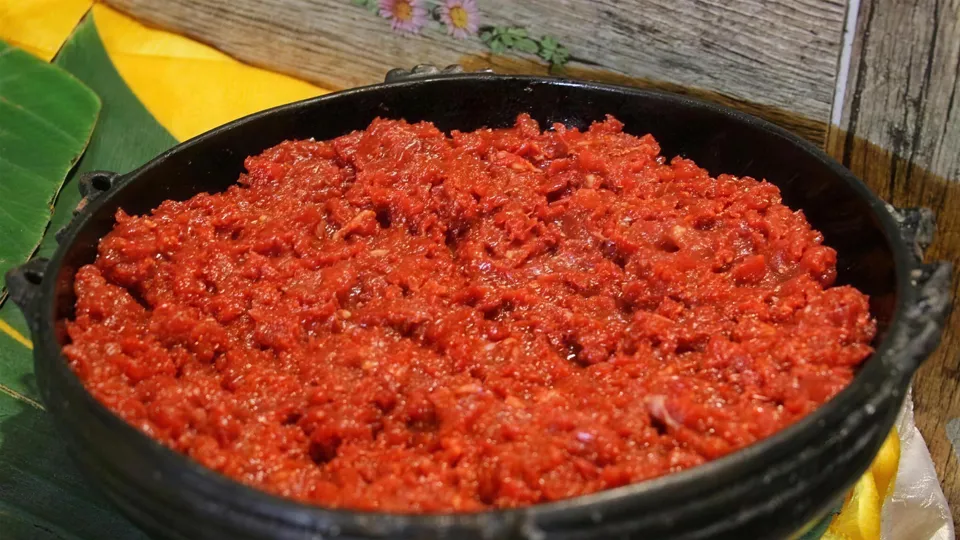
- Kitfo — minced raw (or lightly cooked) beef, warmed with spiced butter and mitmita; a delicacy (see the FAQ on eating it safely).
- Gomen, misir, atkilt — collard greens, spiced lentils and cabbage-and-carrot: the vegetable supporting cast that quietly steals meals.
How to order like you've done it before
For a group, don't order individually — order a beyaynetu, "a bit of everything": a single vast injera loaded with a wheel of different stews, meat and vegetable, mild and spicy, that everyone shares. It's the best value and the best introduction, because you taste eight things instead of one. Add a doro wat or a sizzling tibs to the middle and you have a feast for a fraction of Western restaurant prices.
Mild or spicy? Ask for alicha versions — turmeric-based, no berbere — if you want gentle, or lean into berbere dishes if you don't. A good platter has both.
The etiquette that matters
- Right hand only. The left is considered unclean for eating. Tear, pinch, scoop — no cutlery, and no need for any.
- The gursha. A host or friend may tear off a choice mouthful and feed it to you directly by hand — this is gursha, a gesture of affection and honour. Accept it graciously; returning one is a lovely move.
- Wash up. Hands are washed before and after, often from a jug brought to the table. It's part of the meal, not an afterthought.
- Sharing is the point. Reaching into the communal injera is expected; a plate of your own would seem lonely.
Wash it down
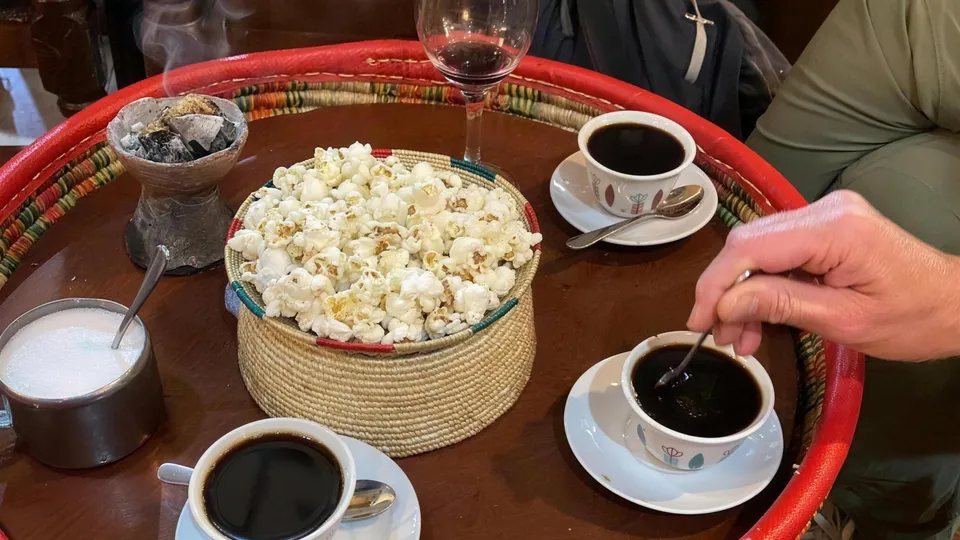
Finish — or interrupt — the meal with a coffee ceremony, the ritual roasting and three-round pouring that is the heart of Ethiopian hospitality; our coffee ceremony guide covers it. To drink with the food, try tej (honey wine, deceptively strong), a local St George or Habesha beer, or the spiced tea. And a whole category deserves its own note: Ethiopia is a paradise for plant-based eaters thanks to Orthodox fasting cooking — see our vegan and vegetarian Ethiopia guide.
Where to eat it
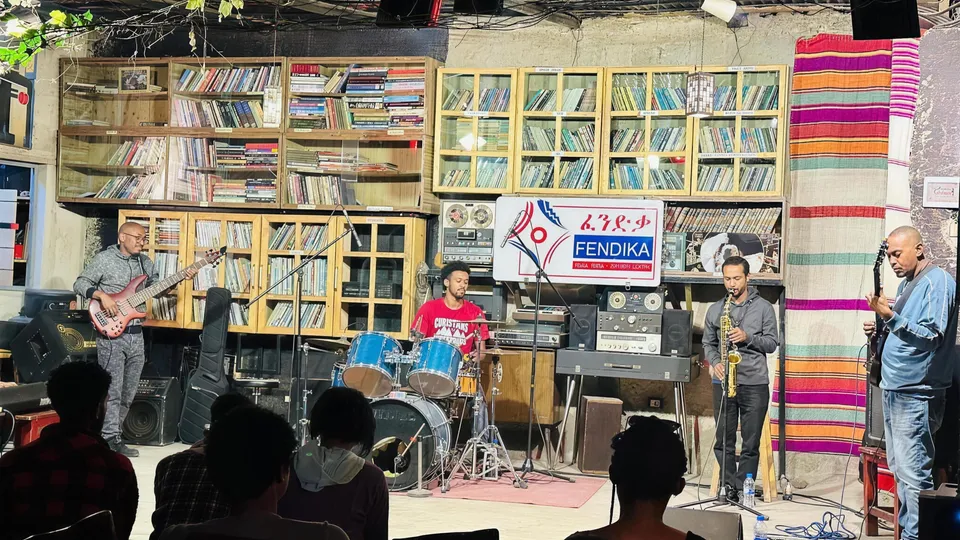
The best Ethiopian food is often the least fancy — a busy local restaurant with one thing done perfectly beats a tourist buffet every time. In Addis, cultural restaurants pair the food with music and dance; our guides to cultural restaurants and the wider food scene point you to specific tables. And the fastest way to skip the learning curve is to let someone show you: a guided food walk gets you into the places you'd never find and explains each dish as it lands.
Eating on a budget changes which of these you order most: our cheap eats in Addis Ababa guide covers the dishes that cost least and the neighbourhoods that charge least for them.