Two of Ethiopia's most extraordinary destinations — the lava lake of the Danakil and the living cultures of the Omo Valley — also sit at the centre of the country's most confusing safety picture. Airlines fly, operators sell tours, and yet government advisories flash red. Here is what the 2026 warnings actually say, what they mean for you and your insurance, and how experienced travellers make a clear-eyed decision instead of a fearful or a reckless one.
Key facts
- Overall advisory
- US: Reconsider Travel (Level 3); UK FCDO advises against travel to several regions
- Danakil (Afar)
- Sits in Afar near contested borders — check the current Afar advisory before booking
- Omo Valley (South)
- Far south; generally calmer, but roads pass through areas with periodic unrest
- The real rule
- Advisories are regional, dated and change fast — read the current one, not last year's
- Insurance catch
- Most policies void cover in 'advise against travel' zones — confirm in writing
- Who to trust
- Established operators reroute around trouble; a good guide is a safety tool, not a luxury
Why the mixed signals?
Ethiopia is a huge country, and its security situation is intensely regional. A blanket "is Ethiopia safe?" question has no useful answer, because Addis Ababa, the southern lakes, the Danakil and the northern highlands can be in completely different situations on the same day. That is why you'll see an airline happily selling you a flight while a government page warns against travel to the same area: they are describing different risks at different scales. Your job is not to resolve the contradiction but to read the map region by region — which is exactly how our honest, region-by-region safety guide is built.
The Danakil, in plain terms
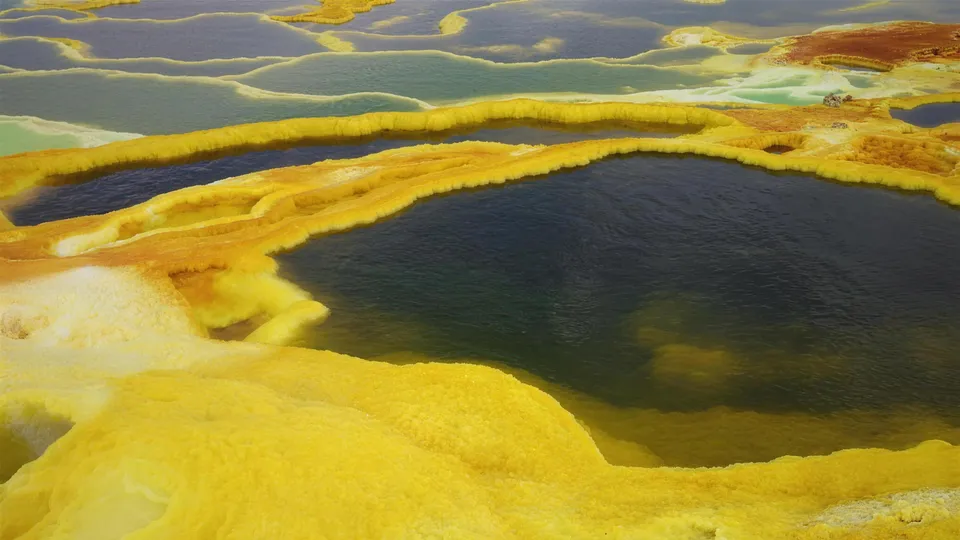
The Danakil Depression lies in the Afar region, in Ethiopia's north-east, close to borders that have been sensitive at various times. It has never been a place you wander into independently: the heat is lethal, there is no infrastructure, and trips have long run as organised expeditions with permits, local Afar guides, an armed scout and a vehicle convoy. When conditions are calm, established operators run these expeditions safely and it is one of the most astonishing landscapes on Earth. When conditions deteriorate, those same operators suspend trips. The decision that protects you is not bravado — it is choosing a company with the judgement to cancel.
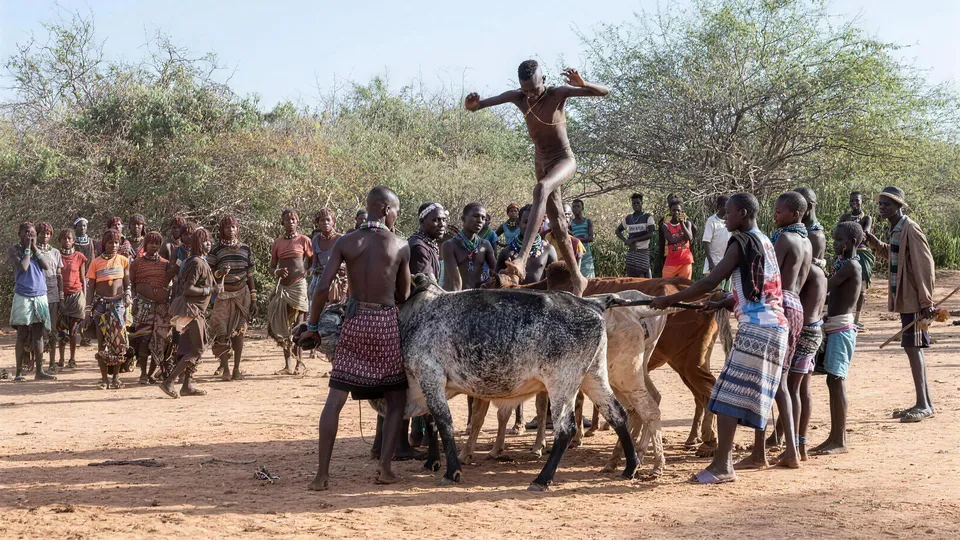
The Omo Valley, in plain terms
The Omo Valley sits in Ethiopia's far south, a different world from the northern advisory zones and generally calmer. The genuine safety consideration here is the long overland journeys the itinerary requires, passing through areas that can experience localised, unpredictable disturbances. This is precisely where a good operator earns their fee — monitoring the route, adjusting the plan, and knowing which roads to avoid on a given week. The Omo's harder questions are ethical as much as they are about safety, and we cover those in our respectful traveller's guide to the south.
The insurance trap nobody mentions
Here is the consequence travellers routinely miss. The moment you enter a region your government "advises against travel" to, most travel-insurance policies void your entire cover — not just for conflict, but for a twisted ankle, a stomach bug, an unrelated hospital visit. Airlines flying there does not reinstate your policy. Before you commit to either region, read our travel-insurance guide, ask your insurer the advisory question directly, and get the answer in writing. This is the difference between an adventure and a five-figure medical bill.
How experienced travellers actually decide
- Read the live advisory for the specific region — Afar for Danakil, the South for Omo — not a general "Ethiopia" headline.
- Vet the operator harder than the destination. Ask directly: what is your cancellation policy if the advisory changes, and have you suspended trips here before? The right answer is yes.
- Confirm your insurance in writing against the exact regions and activities.
- Keep a cash and connectivity buffer — see our money guide and connectivity guide for the network-shutdown risk that affects the whole country.
- Stay flexible. Build a plan B into the north or the historic circuit so a suspended Danakil leg doesn't sink the trip.
Do that, and you replace a fearful guess with a clear decision — which is the only responsible way to approach Ethiopia's most dramatic and most conditional places.