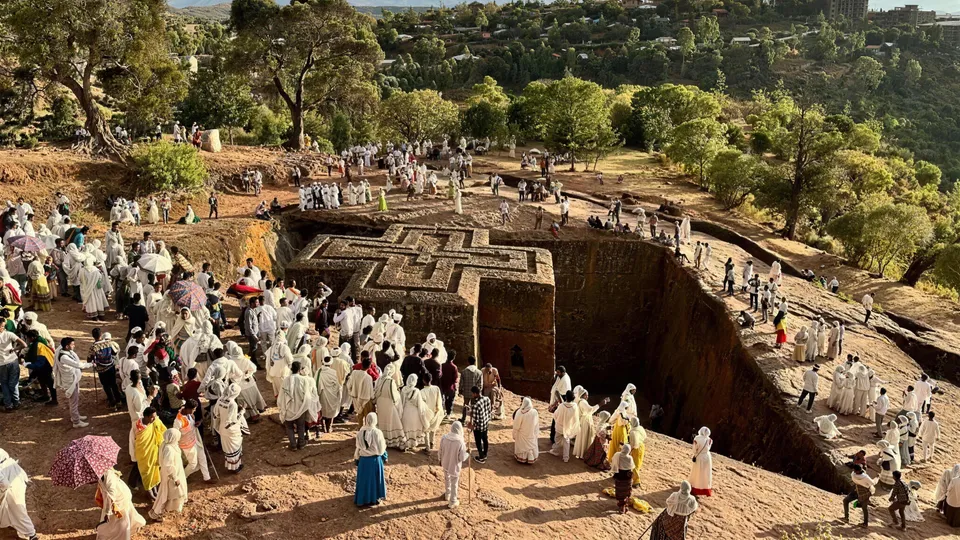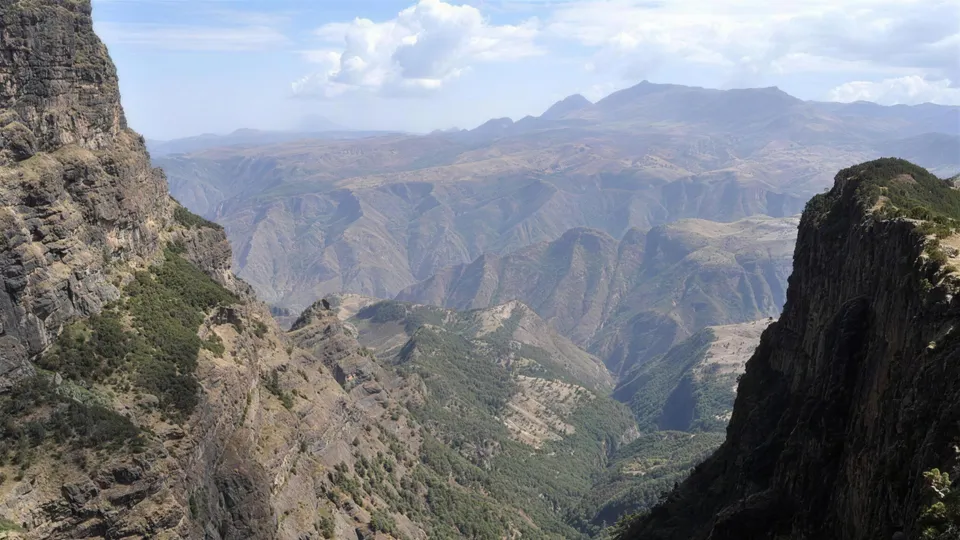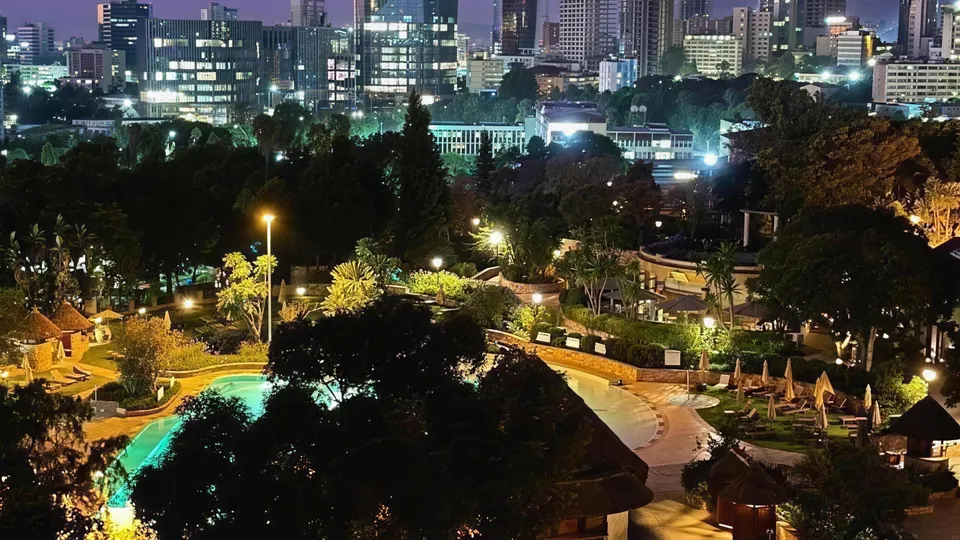
Ethiopian Airlines connects more of Africa than any other carrier, and the price of that convenience is a great many people sitting in Bole with nine hours to kill. It is a shame to spend them under fluorescent light. Addis Ababa sits twenty minutes from the terminal, holds the oldest hominid skeleton ever found, and serves lunch worth flying for. Here is how to use the gap — timed properly, so you make your onward flight.
Key facts
- Minimum layover to leave
- 8 hours — below that, stay airside
- Visa needed
- e-visa (evisa.gov.et) — apply days ahead
- Bags
- Left luggage at Bole, or check through to final stop
- Getting around
- Ride or Feres app — fixes price and route
- Realistic budget
- US$40–70 including lunch, taxis and entries
- Back at Bole
- 3 hours before international, 2 before domestic
The arithmetic first
Work backwards, always. For an international onward flight you want to be back at Bole three hours before departure; for a domestic hop, two. Add 20–40 minutes for the drive each way, plus 20–60 minutes to clear immigration on arrival. That is roughly six hours of overhead before you have looked at anything.
- Under 8 hours: stay airside. Use a lounge, take a day room at a nearby hotel, sleep.
- 8–10 hours: one museum plus lunch. Do not attempt more.
- 10–14 hours: the full itinerary below, comfortably.
- Overnight: book a bed — see our Bole airport hotel guide.
Two prerequisites: you need an e-visa to clear immigration, and you need to decide about bags. Either check them through to your final destination when you first depart, or use the left-luggage facility at Bole. Do not tour Addis with a suitcase.
The 12-hour itinerary
Hour 0–1 — Land, clear, get out. Immigration, then cash. Change US$50–100 at a bank booth in arrivals; you will want birr for entries and lunch. Order a car on Ride or Feres rather than joining the taxi scrum — the app fixes the price and gives you a record of the vehicle.
Hour 1–2 — The National Museum. Head straight there and go down to the basement first, where Lucy is. She is 3.2 million years old, about a metre tall, and the reason we know bipedalism preceded big brains. The upper floors hold imperial regalia and modern Ethiopian art; forty minutes is enough, ninety if you linger.
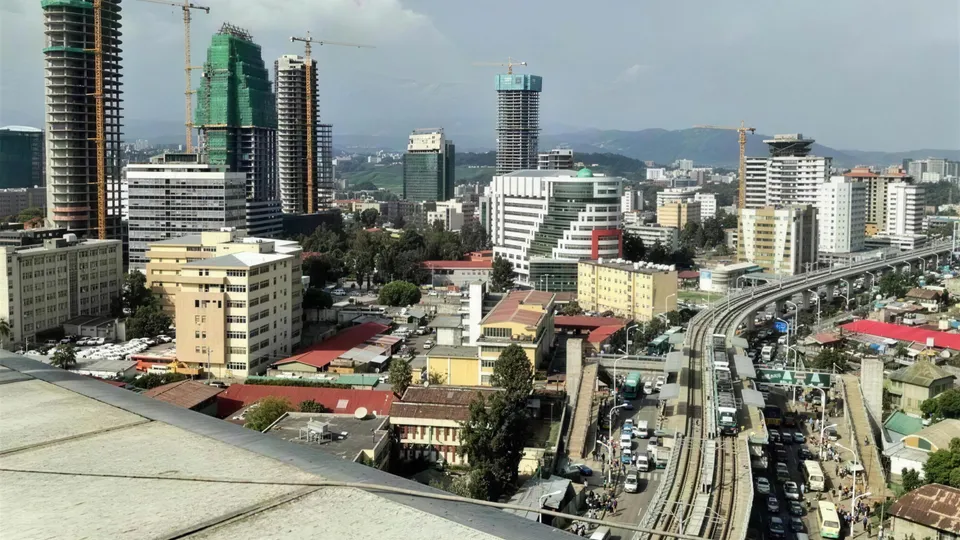
Hour 2–3 — Holy Trinity Cathedral. A ten-minute drive away: the burial place of Haile Selassie, an extravagant piece of 1940s architecture, and a working cathedral where you will see the country's religious life at close range. Shoulders and knees covered, shoes off inside — see what to wear.
Hour 3–5 — Lunch, properly. This is the part to protect. Order a beyaynetu, the platter of vegetable stews on injera, or tibs if you eat meat — and finish with a coffee ceremony rather than a takeaway cup. Yod Abyssinia and Habesha 2000 do the full cultural version with music; smaller places off Bole Road do better food for a third of the price. Budget 90 minutes; nobody in Ethiopia eats lunch quickly.
Hour 5–7 — Choose one.
- Entoto. Up the mountain behind the city: eucalyptus, thin cold air, Menelik's old palace and church, and a view over the entire capital. The new Entoto Park has made it an easy, pleasant hour.
- Merkato. One of Africa's largest open-air markets — overwhelming, brilliant, and best entered with a guide and nothing in your back pockets. Not the choice if you are travelling alone with valuables.
- Ethnological Museum. Inside Haile Selassie's former palace at the university, and the better museum of the two — a thoughtful walk through Ethiopian life from birth to death, plus the emperor's preserved bedroom.
Hour 7–9 — Coffee and Piassa. Walk the old Italian-era quarter, buy roasted beans to take home (a kilo costs a fraction of what you pay abroad), and sit in a café. Tomoca is the famous one and still good.
Hour 9–12 — Back to Bole. Leave earlier than feels reasonable. Evening traffic in Addis is genuinely bad, and Bole's security queues at the late-evening departure bank are long.
What to skip on a layover
Do not attempt a day trip. Debre Zeyit is 45 minutes each way on a good day and two hours on a bad one; Wenchi Crater and Debre Libanos are three hours out. These are excellent — on a different trip. See weekend escapes for when you have a real day.
Do not plan around opening hours you have not checked. Museums close Mondays or public holidays, and Ethiopia has a lot of public holidays on a calendar you may not recognise.
Do not change large amounts of money. Exporting birr is restricted and you will not spend it. Change what the day needs.
Six practical rules
- Confirm times in "ferenj" hours. Ethiopian clocks start at dawn; 3:00 locally is 9 a.m. Ask "ba-ferenj seat?" whenever a time is quoted.
- Keep your boarding pass and passport on you, not in a day bag you might put down.
- Altitude is real. Addis is 2,355 m. If you have flown overnight, you will feel it — go slower than you think, and drink water rather than coffee for the first hour.
- Carry small notes. Nobody has change for a 200-birr note at a café.
- Download an offline map before you land. Mobile data works but shutdowns happen.
- Agree the return pickup in advance with the same driver. Getting a car back to Bole at 8 p.m. is harder than getting one into town at 10 a.m.
Done properly, a Bole layover is one of the better accidents in African travel: a museum that changes how you think about your own species, a plate of food you will remember, and a coffee ceremony — all inside the gap between two flights you were going to take anyway.