Bole International is one of Africa's great aviation crossroads — and for a first-timer it can be a lot: security at the front door, long queues at peak, strict rules on currency, and connections where luggage occasionally goes astray. None of it is hard once you know the shape of the place. Here's how to move through Addis Ababa's airport calmly, whether you're departing, arriving or connecting, with the money and luggage rules that catch people out.
Key facts
- Airport
- Bole International (ADD) — a major African hub; big, busy, multi-terminal
- Security
- Two screenings: one at the door on entry, one at the gate; arrive early
- Arrive before
- 3 hrs for international departures; the entrance queue alone can be long
- Currency rule
- Declare cash over the limit; you generally can't take birr out — spend or reconvert
- Luggage
- Delays and mishandling happen on connections; carry-on your essentials
- Transit visa
- You need a visa to leave the terminal on a layover — sort it before you fly
Security starts at the door
The thing no one warns you about: at Bole, the first security screening is at the terminal entrance itself. Before you even reach check-in, you and your bags are screened just to enter the building, and at busy times that queue can be substantial. Then comes check-in, immigration, and a second screening at your gate. Build your timing around two security checks, not one. For international departures, arrive three hours ahead; for domestic, two is usually fine.
The currency rules that trip people up
Ethiopia takes foreign-exchange rules seriously, and the airport is where they bite:
- Birr generally can't leave the country, and it's near-worthless abroad — so spend it down or reconvert before you reach departures.
- Declare foreign cash above the set threshold on both entry and exit.
- Keep your bank exchange receipts — you may need them to reconvert leftover birr to hard currency on the way out.
The clean way to avoid all of it is to travel on cash you convert as you go, never changing more than you'll spend. Our money guide explains the whole system.
Luggage: assume nothing, carry your essentials
On a hub this size, most bags travel fine — but connections are where mishandling and delays happen. Protect yourself the simple way: put anything you can't afford to lose in your carry-on — medication, travel documents, a change of clothes, chargers, valuables. If a checked bag is delayed, report it before you leave the baggage hall and keep the reference. This is also where travel insurance with baggage cover earns its place.
Arrivals: visa, then a fixed-price ride
On arrival you'll clear immigration (have your e-visa and onward details ready), collect bags, and step into the arrivals crush where taxi touts wait. Don't improvise a fare here. Either have a hotel pickup arranged, or use a local ride-hailing app — Feres, RIDE, ZayRide — which fix the price before you get in. There's no Uber in Ethiopia. Our airport-to-city transport guide has the fair rates and the arrival traps.
Layovers: the visa is the gatekeeper
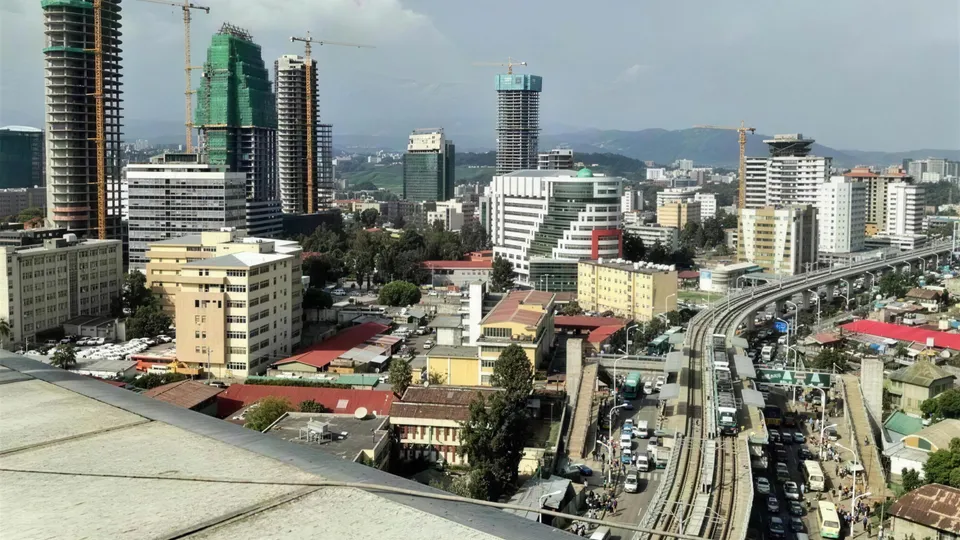
Got hours to spare? A Bole layover can become a free extra city — but only with the right visa; you can't leave the terminal without one, so arrange it before you fly. With the paperwork sorted, you can see Lucy, Holy Trinity and a real Ethiopian lunch and be back in time. Follow the hour-by-hour plan in our 24-hour layover itinerary, and check whether you qualify for a free transit hotel in the Ethiopian Airlines stopover guide.
The Bole survival checklist
- Three hours for international, two for domestic — two security checks, not one.
- Spend down or reconvert birr before departures; declare foreign cash over the limit.
- Essentials in your carry-on — meds, documents, chargers, valuables.
- Fixed-price ride only — hotel pickup or a ride-hailing app, never an improvised taxi fare.
- Layover? Sort the visa first, then follow a timed plan back to the gate.
Know the rhythm and Bole is smooth, even impressive. For everything beyond the airport, our how to travel Ethiopia guide is the practical manual.