Most visitors give Addis Ababa a single day, see Lucy, eat at a cultural restaurant with a floor show, and leave with the impression of a large grey city that is mainly an airport. That is a fair description of the day they had and a poor description of the place. Here are five things the one-day itinerary skips — none of them far, none expensive, and all of them the reason people who live here are fond of it.
Key facts
- Best-kept secret
- Ethnological Museum inside the old palace
- Free and extraordinary
- Shiro Meda market & Entoto pine forest
- Most atmospheric hour
- Sunday morning, Holy Trinity, 7–9 a.m.
- Where locals actually eat
- Kategna, Yetsom Beyaynetu shops
- Best view nobody photographs
- Entoto Park's upper ridge
- Getting around
- Ride/Feres app — cheaper than any tour
1. The Ethnological Museum, inside the emperor's palace
Everyone does the National Museum for Lucy. Almost nobody continues fifteen minutes up the road to Addis Ababa University, where Haile Selassie's former palace now holds the Ethnological Museum — and it is the better of the two by a distance.
The collection is arranged as a human life rather than a chronology: birth, childhood, adulthood, faith, death, across all of Ethiopia's peoples. Upstairs, the emperor's bedroom and bathroom have been left as they were, including the bullet-scarred mirror. The building sits in the university's jacaranda gardens, and on a weekday morning you may have entire rooms to yourself. Allow ninety minutes.
2. Shiro Meda market
Not Merkato — Shiro Meda, up towards Entoto, where Addis buys its white cotton. This is where the netela, gabi and habesha kemis are sold, in street after street of hand-woven cloth with the coloured tibeb borders, much of it made on looms within a few hundred metres.
It is smaller, calmer and far more navigable than Merkato, and it is the single best place in the country to buy something genuinely Ethiopian rather than souvenir-shaped. Prices are negotiable but not absurd; expect to pay 400–1,500 birr for a good netela. Go in the morning.
3. Entoto — the forest, not just the viewpoint
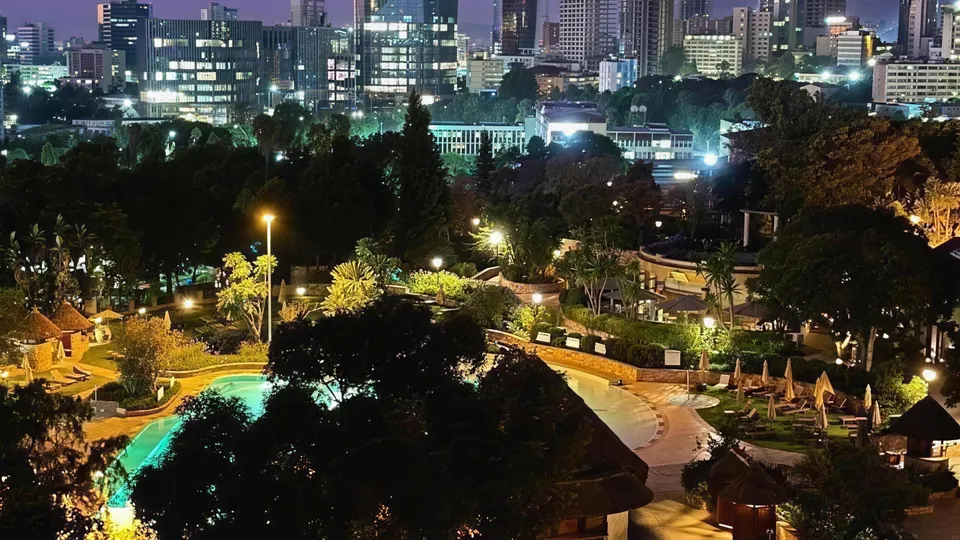
Most people are driven to the Entoto viewpoint, photograph the city through the haze, and go back down. The mountain deserves longer. The eucalyptus and pine forest on the upper slopes is cool, fragrant and threaded with walking paths; Entoto Maryam church and Menelik's modest palace sit among the trees; and the newer Entoto Park has made the whole ridge accessible with trails, cafés and horse riding.
Go early. The air at 3,200 m is genuinely cold before nine, the light is clean before the city haze rises, and you will pass women carrying eucalyptus bundles down the mountain — a sight that explains more about Addis than any museum.
4. Sunday morning at Holy Trinity
Everyone visits Holy Trinity Cathedral as a monument — Haile Selassie's tomb, the extravagant 1940s architecture. Far fewer come when it is doing what it exists for. Between about 7 and 9 on a Sunday morning, the grounds fill with worshippers in white netelas, chanting carries from the loudspeakers, and people pray pressed against the outer walls because there is no room inside.
Stand quietly at the edge, dress properly (see what to wear), and do not photograph faces without asking. It is the most affecting free hour in the city.
5. An azmari bet after dark
The cultural restaurants with dinner shows are fine, but the real thing is the azmari bet: a small room, a one-string masinko, and a singer improvising verses about everyone present — teasing, political, obscene, very funny, and completely unintelligible to you until someone translates and you discover the last verse was about your shoes.
Fendika in Kazanchis is the best-known and has grown into a serious cultural centre without losing the raw tradition. Go after ten. Buy the musicians a drink. More in our live-music guide.
Three smaller ones, while you are here
- Tomoca coffee, Piassa branch — standing room only, roasting since 1953, and a kilo of beans costs a fraction of what you pay at home.
- The Red Terror Martyrs' Memorial Museum — small, harrowing, free, and essential context for modern Ethiopia. Often staffed by survivors.
- Kategna — where Addis actually eats. Order the beyaynetu on a fasting day and understand why nobody here worries about vegetarian options.
None of this requires a tour, a permit or more than a few hundred birr. It requires a second day — which is the real hidden gem of Addis Ababa. For more, see things to do in Addis and family activities.