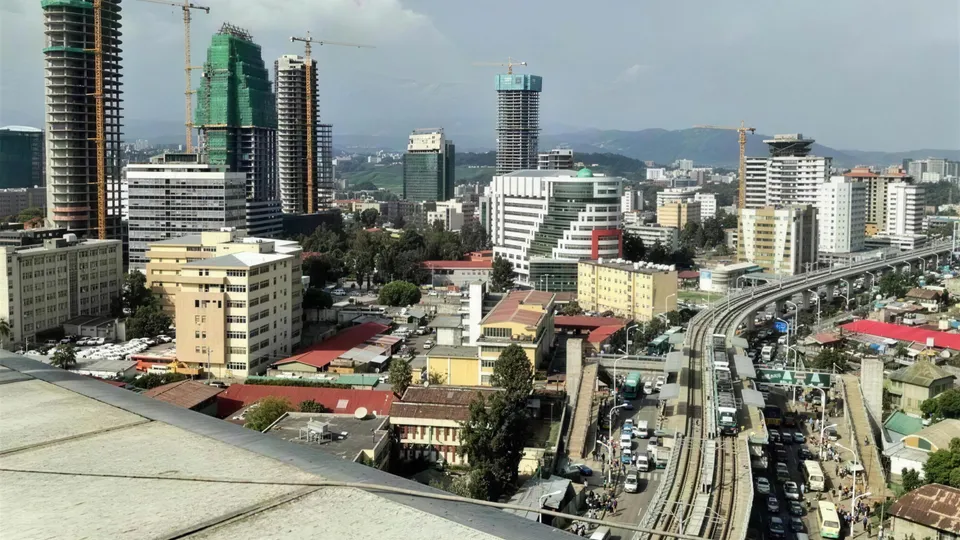
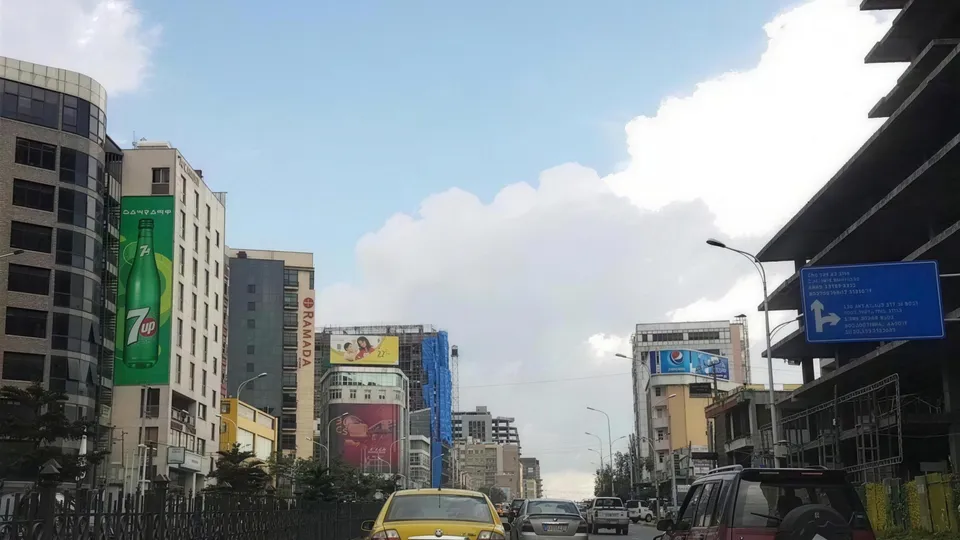
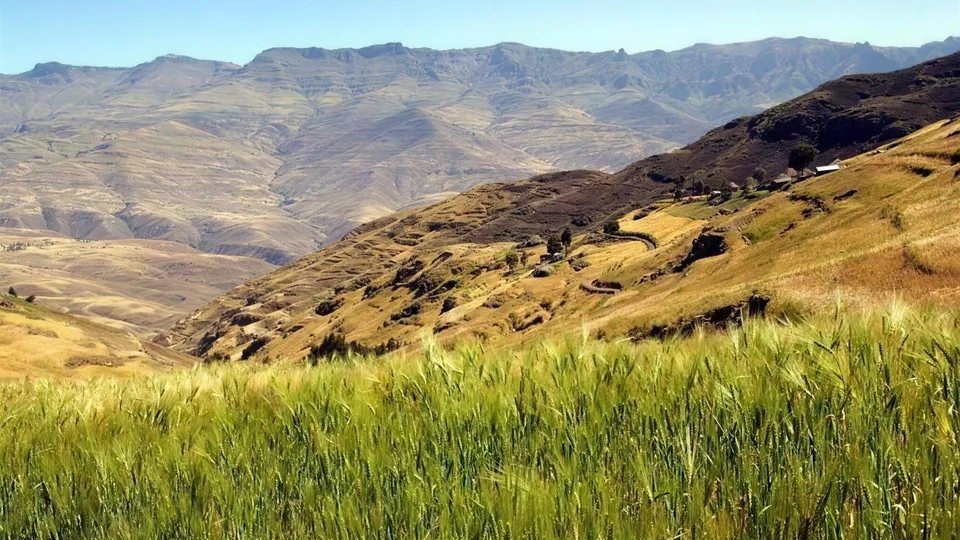
Ethiopia's landscapes are made for the road — highland passes, canyon rims, the drop into the Rift Valley. But road travel here comes with two realities worth planning around: periodic fuel-supply squeezes, and roads that demand respect. Handled well, an Ethiopian road trip is unforgettable; handled naively, it's where trips come unstuck. Here's how to travel overland sensibly in 2026 — fuel, drivers, timing and the one rule you never break.
Key facts
- The issue
- Ethiopia has periodic fuel-supply squeezes; availability varies by region and month
- Best defence
- A driver-guide who knows current conditions and fuels up opportunistically
- Don't run low
- Fill up in cities and whenever a station has fuel; don't gamble on the next town
- Roads
- Highland roads are winding, slow and shared with livestock — never drive at night
- Flights first
- For the historic circuit, domestic flights beat long drives on time and hassle
- Buffer everything
- Carry cash, water, snacks, a charged phone and a flexible schedule
The fuel picture, honestly
Ethiopia has experienced periodic fuel-supply squeezes, connected to the country's foreign-currency constraints and shifting fuel-and-vehicle policy. It isn't a constant crisis, but availability can vary by region and by month, and you don't want to discover a dry pump 200 km from the next town. The good news: on the standard fly-between-cities historic circuit, fuel is the airline's problem, not yours. It only becomes your planning factor on long overland drives — and even then it's very manageable with the right approach.
Why a driver-guide is the real answer
The best fuel-and-road insurance isn't a jerry can — it's not self-driving. An experienced driver-guide or operator tracks current conditions, knows which stations are reliable, tops up opportunistically rather than running low, and can read a checkpoint, a closure or a detour in a way a visitor simply can't. They bring the language, the local knowledge and the judgement. This is standard practice in Ethiopia, reasonably priced across a small group, and it turns the country's toughest logistics into someone else's job. See our how to travel Ethiopia guide for how drivers and tours are arranged.
Fly the historic circuit — don't drive it
For Addis → Bahir Dar → Gondar → Lalibela → Axum, domestic flights beat driving on almost every measure: time, comfort, fuel-and-road risk, and often safety, given the northern advisory situation on some overland routes. Ethiopian Airlines' network makes this easy, and its international passengers get a domestic discount worth claiming — the mechanics are in our domestic flights guide. Save the driving for the shorter, scenic legs where the journey is the point.
The one rule you never break: no night driving
If you take nothing else from this guide: do not drive after dark in Ethiopia. Rural roads are unlit, shared with livestock, pedestrians and trucks, and it's common to meet vehicles travelling without lights. Night driving is the single largest avoidable danger on any Ethiopian road trip. Plan every leg to arrive well before dusk, and if you're running late, stop somewhere safe for the night rather than pushing on.
Pack the buffers
- Fuel: fill in cities, top up at any working station, never gamble on the next town.
- Cash: ATMs and card machines are scarce and can be offline — carry enough birr, per our money guide.
- Connectivity: a charged phone with offline maps and a working eSIM; networks can go down.
- Basics: water, snacks, layers for cold highland passes — see our packing list.
- Time: a flexible schedule so a delay doesn't cascade into a missed flight.
The road-trip checklist
- Fly the historic circuit; save driving for short, scenic legs.
- Use a driver-guide, not a self-drive hire.
- Never drive at night — arrive before dusk, every time.
- Keep the tank and your cash topped up, and don't gamble on the next town.
- Check regional advisories before any long overland leg.
Respect those and Ethiopia's roads deliver some of the most beautiful driving in Africa — on your terms, not the road's.