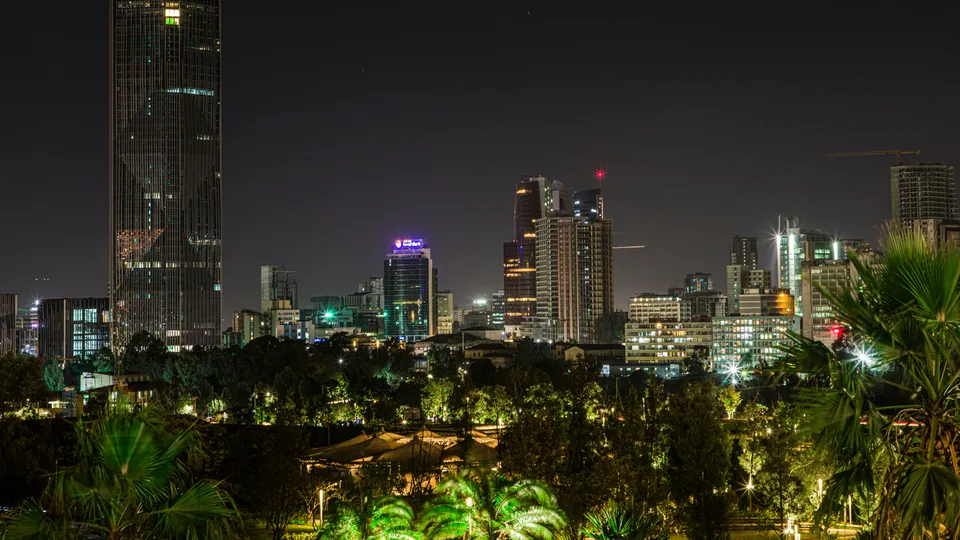
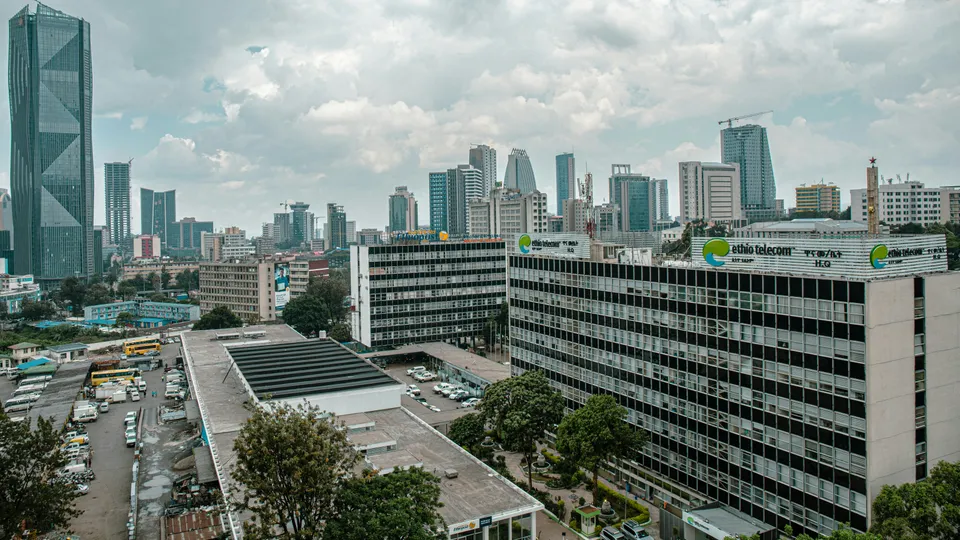
A job offer in Addis Ababa raises the same questions for almost everyone: what will it cost, where do we live, which school, and what is daily life really like? This pillar guide puts the whole move in order — what to negotiate, which permits you need, how to house, school and insure your family, how to handle power, water and internet — and links to a deeper guide for each step. Where reliable data is thin we say so rather than invent precision.
Quick answer
If you have a job offer in Addis Ababa, settle six things before you say yes: who sponsors your work and residence permits, what housing and school support the package includes, whether international health cover with medical evacuation is provided, what currency you are paid in, how your belongings will be shipped and cleared, and what your employer's security and advisory policy is. Then plan housing (rent first, near the school), schools early (waiting lists), a backup for power and internet, and a 90-day timeline. Addis sits at about 2,355 m, runs mostly on cash and US dollars for expat housing, and has only private hospitals that foreigners usually rely on. Figures in this hub are indicative and conflict between sources — confirm with your employer and in writing.
Key facts
- City
- Addis Ababa, about 2,355 m above sea level; the seat of the African Union and many UN agencies
- Permits
- Two permits: a work permit (employer-led) and a residence permit (immigration) — see the permits guide
- Housing
- Expat-standard flats and villas are usually quoted in US dollars; leases are commonly one year
- Schools
- Roughly ten international schools; waiting lists and commutes drive the choice of neighbourhood
- Healthcare
- Private hospitals in Addis for reasonable basic care (UK FCDO); international cover with evacuation is the norm for expats
- Utilities
- Plan for power cuts, uneven water and unreliable fixed internet; mobile data is the usual backup
- Data quality
- Most cost and rent figures online come from agents and aggregators and conflict — treat as indicative
- Last reviewed
- 13 November 2026
What is different about living in Addis Ababa
- Altitude: about 2,355 m; expect poor sleep and breathlessness for the first days.
- A capital of international institutions: the African Union and many UN agencies are here, which is why expat housing, schools and services cluster in a few neighbourhoods.
- Cash and dollars: expat housing is usually quoted in US dollars, while daily life runs on birr; card acceptance is thin outside hotels and larger shops (see money in Ethiopia).
- Infrastructure gaps: power cuts, uneven water and unreliable fixed internet are normal planning items (see utilities guide).
- Healthcare: the UK government says only private hospitals in Addis offer a reasonable standard of basic care; facilities outside the capital are extremely poor.
Six things to settle before you accept
- Permits: who sponsors your work permit and residence permit, and how long it takes — see the permits guide.
- Housing: allowance or company housing, and the currency of rent — see the housing guide.
- Schools: fee support and the school's waiting list — see international schools.
- Health cover: international insurance with medical evacuation for the family — see healthcare for expats.
- Pay: currency, timing, and how you will move money (see sending money).
- Shipping and security: who clears your goods at customs (see the customs guide), and the employer's security briefing and advisory policy.
Choosing where to live
Neighbourhood decides your commute, your school run and your noise level. Old Airport/Sarbet is the area most often recommended to families (greener, quieter, near the International Community School), Bole suits airport access and amenities, Kazanchis suits those working with international organisations, and CMC/Summit offer more space with longer commutes. Read the neighbourhood guide before you sign anything.
A 90-day timeline
| When | Do |
|---|---|
| Day 0–7 | Get the offer in writing; negotiate the six items above; confirm permit sponsorship; start school enquiries |
| Week 2–4 | Permit application documents; medical certificate and police/ID documents as requested; shortlist neighbourhoods; ask for a fee schedule from schools |
| Week 4–8 | Entry visa once the work permit is approved; book temporary housing; arrange international health cover; get shipping quotes |
| Week 8–12 | Travel; residence permit and ID after arrival; view rentals with a licensed broker; set up mobile data, water storage and a power backup |
The exact sequence and timings differ by employer and permit type — confirm with your HR contact.
First-week checklist
- Acclimatise: light first days, plenty of water, no alcohol on night one.
- Buy a local SIM or eSIM; see the eSIM and SIM guide.
- Save emergency numbers and your embassy contact (emergency hub).
- Register with your embassy if it has a scheme.
- Learn the ride-hailing apps and agree on a trusted driver.
Mistakes people make
- Renting before seeing the school commute at the real traffic hours.
- Accepting a USD figure for rent without checking the lease currency, deposit and broker fee.
- Assuming health insurance exists locally — most private care is paid up front.
- Skipping the power and water check during the viewing.
- Believing a single cost-of-living site; see the cost guide for why they differ.
Coming from Dubai or Abu Dhabi? Read what changes, and for the everyday questions see daily life in Addis.