Once the permits, flat and school are sorted, the move comes down to the small daily things: where to buy food, how to get to work, how safe you feel, who helps at home and who you spend weekends with. This guide covers the everyday questions new arrivals ask, with the honest caveat that daily life varies a lot by neighbourhood and budget.
Quick answer
Daily life in Addis Ababa runs on markets, small shops and a handful of supermarkets (local produce and staples are cheap, imported brands cost more), ride-hailing apps and taxis rather than self-driving, cash alongside growing mobile payments, and personal networks. Everyday safety is mostly about petty theft, bag-snatching from car windows and traffic; avoid night road travel and keep valuables out of sight. Many expats hire household help and a driver, which needs clear contracts and references. The altitude (about 2,355 m) and the June–September rains shape routines; basic Amharic opens doors; and expat communities on forums and social groups are the fastest way to get current local advice. Check your government's advisory and your employer's security policy.
Key facts
- Food shopping
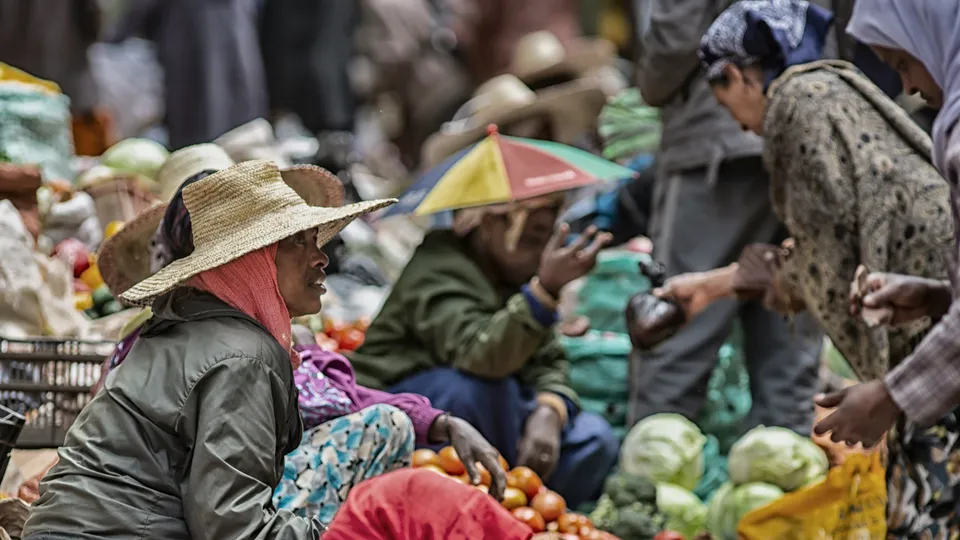
- Open markets and local shops for produce and staples; a few supermarkets for imported goods; imports cost more
- Getting around
- Ride-hailing apps (such as Ride and Feres) and taxis; traffic is heavy; no night road travel outside the city
- Payments
- Cash and birr for daily life; cards at hotels and larger shops; see the money guide
- Safety (everyday)
- Petty theft, bag-snatching from car windows, pickpocketing around Merkato and Piassa; traffic is the biggest real risk
- Help at home
- Common for expats; use written contracts, references and clear hours; confirm legal and insurance obligations
- Climate
- Mild highland weather; rainy season about June–September; altitude about 2,355 m
- Language
- Amharic is the working language of the city; English is common in expat circles
- Community
- Expat forums and social-media groups are the quickest source of current local advice
- Last reviewed
- 13 November 2026
Groceries and shopping
- Open markets and local shops are the cheapest and freshest source for vegetables, fruit, spices, injera, teff and lentils; our injera and teff guide and food guide explain what you are buying.
- Supermarkets and imported goods: a handful of supermarkets, mainly in expat areas, stock imported brands at higher prices; stocks and prices can be uneven.
- Bring or plan for: favourite imported items, baby products, specialist medicines and electronics; see the pre-travel shopping guide.
- Cash: keep birr for markets and small shops; see money in Ethiopia.
Getting around
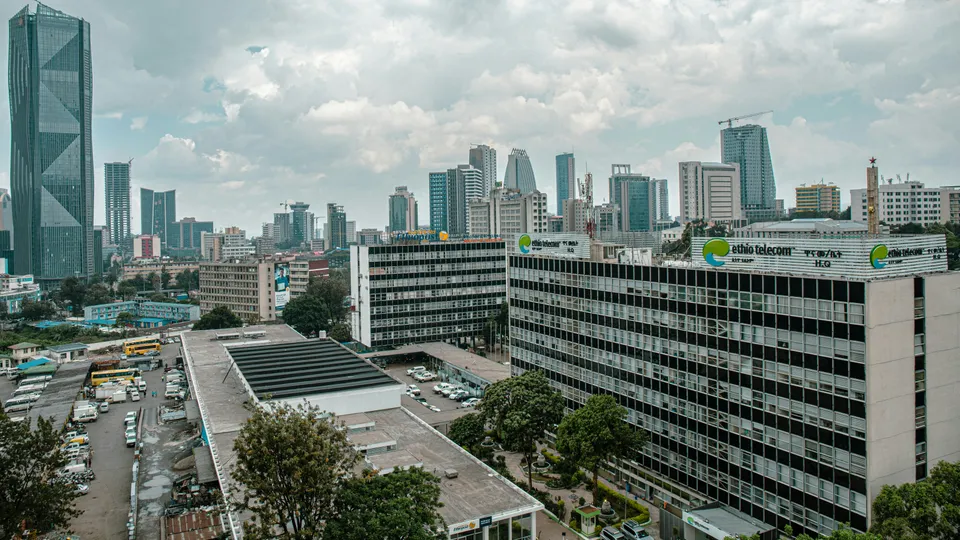
- Ride-hailing apps (such as Ride and Feres) and taxis are the usual way to move around the city and fix price and accountability; there is no Uber.
- Traffic is the daily cost: plan journeys by time, not distance, and avoid peak hours where you can.
- Driving yourself: many expats hire a driver at first. Never drive outside the city at night; see the road-trip safety guide.
- Airport: use a pre-arranged transfer or ride-hailing; see the airport transfer guide.
Everyday safety
- Petty theft, pickpocketing around Merkato and Piassa, and bag-snatching from open car windows in traffic are the usual problems.
- Keep windows up, bags out of sight, phones in front pockets, and avoid walking alone late at night.
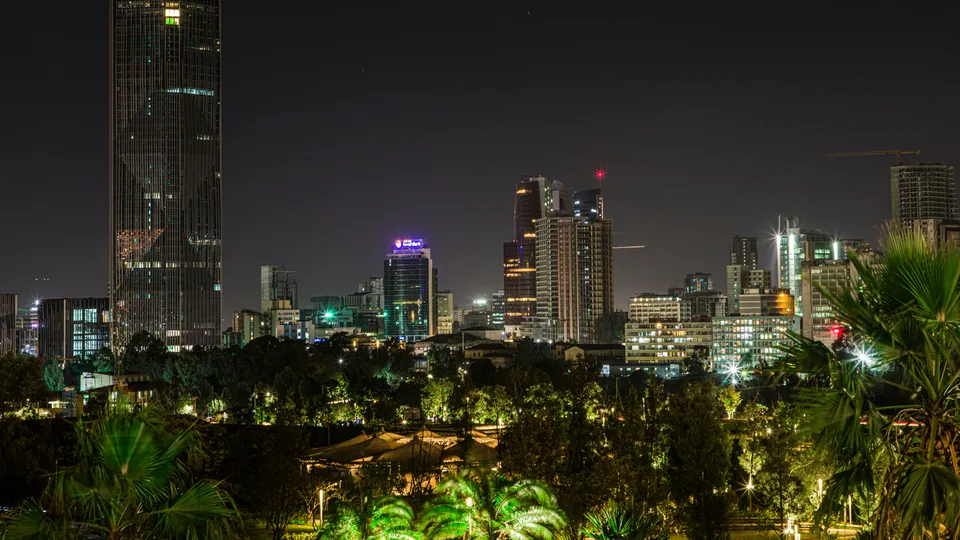
- Choose a compound with a guard, good lighting and a secure gate; see the neighbourhood guide.
- Avoid photographing military sites, police, government buildings and checkpoints.
- Know the emergency numbers and your embassy contact: emergency hub. Read the scams guide and the safety guide.
Help at home
Many expats hire a housekeeper, nanny, cook, gardener or driver. Ask for referrals, check references, and agree duties, hours, days off, pay and notice terms in a simple written contract. Confirm legal and insurance obligations with an advocate or your employer's HR, pay on time and keep receipts. For childcare, meet the person with your children present and trial a short period first.
Weather and altitude
- Addis sits at about 2,355 m: mild days, cool evenings, and a rainy season roughly June to September that floods some lanes and slows traffic.
- Allow a few days to adjust: drink water, go easy on alcohol and exercise at first.
- Pack layers; see the packing guide.
Language and culture
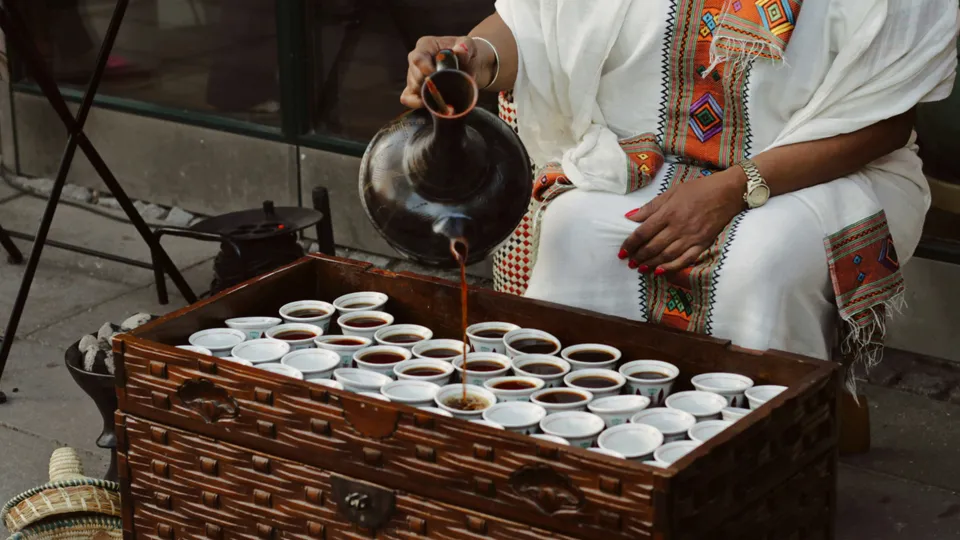
Amharic is the working language; English is common in expat circles and schools. A few words go a long way — see our phrase guide — and the culture and etiquette guide explains greetings, hospitality, fasting days and religious calendar that shape the week. See the calendar and holidays guide for when offices and shops close.
Finding your community
- Your employer's HR and colleagues are the first source of recommendations.
- Your child's school connects you to other families.
- Expat forums and social-media groups are fast for current local questions; treat advice as anecdotal and verify.
- Join a class, club or religious or sports community to meet Ethiopian and expat friends.
Next steps: the relocation guide, power, water and internet, and healthcare for expats. For weekends, see weekend escapes from Addis.