Ethiopia's fame belongs to its landscapes and ancient stones — which is exactly why its cities stay underrated. Yet this is urban Africa at its most distinct: a capital where jazz was reinvented at 2,400 metres, a lakeside town where pelicans photobomb breakfast, a walled desert city, a railway town built by Frenchmen and a mountain city of castles. Here's the city-hopper's map of Ethiopia — compact, characterful and connected by one-hour flights.
Key facts
- Capital
- Addis Ababa (2,355 m) — Africa's diplomatic hub
- Lakeside
- Bahir Dar & Hawassa — palm promenades, fish markets
- History
- Gondar (castles) & Mekele (Danakil gateway)
- Character
- Harar (walled), Dire Dawa (railway grid), Jimma (coffee)
- Getting between
- Ethiopian Airlines links all in ~1 hr hops
- City transport
- Ride apps in Addis; bajaj (tuk-tuks) elsewhere
Addis Ababa — the everything city
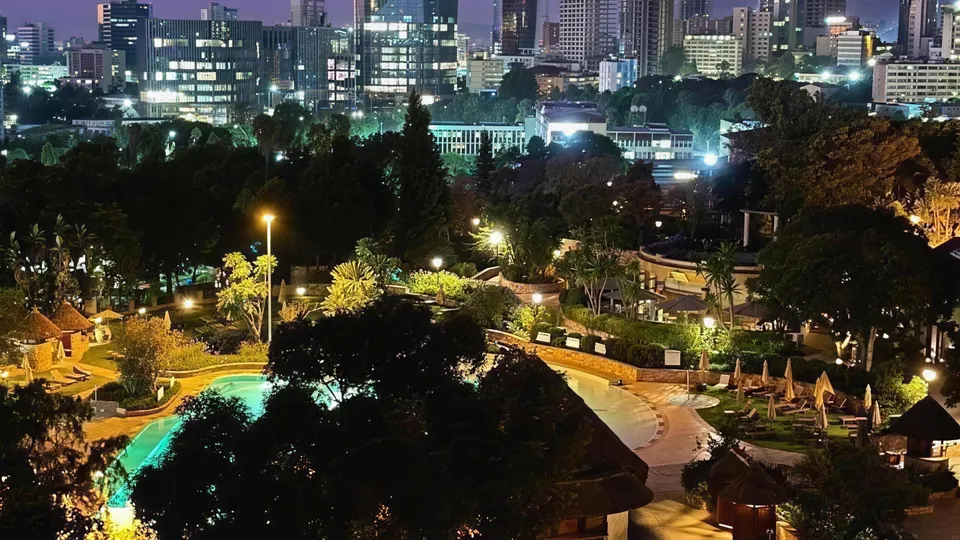
Africa's diplomatic capital earns its two days: Lucy at the National Museum, the painted vaults of Holy Trinity, Merkato's organized chaos, Entoto's eucalyptus ridge and the best macchiato culture outside Italy. After dark it becomes the continent's jazz capital — see our dedicated 48-hour plan and nightlife guide. New landmarks — Unity Park's palace-and-zoo complex, Friendship Park's fountains — have given the centre a green heart it never had.
Bahir Dar — the gentle one
Palm-lined boulevards on Lake Tana's shore, tankwa reed boats drifting past juice bars, island monasteries a boat-hop away and the Blue Nile beginning its journey around the corner. It's Ethiopia at its most easy-going — full detail in the Lake Tana guide. Don't miss the Sunday market's weaving quarter.
Gondar & Mekele — history and grit
Gondar is the castle city — six fortresses in one royal compound, plus Africa's most beautiful church ceiling (guide). Mekele, Tigray's capital, is the springboard for Danakil expeditions and the Gheralta churches: give it an evening for Emperor Yohannes IV's palace-museum and honey-sweet local white tej.
Hawassa — the lakeside weekend
The Rift Valley's boomtown does one perfect morning: the lakeside fish market at dawn, where fishermen land tilapia and catfish amid a scrum of pelicans and monstrous marabou storks, then grilled fish for breakfast. Colobus monkeys own the lakefront hotels' fig trees; the promenade sunset, avocado juice in hand, is southern Ethiopia's softest hour. Three hours from Addis on the expressway — the easiest city escape in the country.
Dire Dawa & Harar — the eastern pair
Dire Dawa was born in 1902 when the French railway from Djibouti stopped short of the mountains: grid streets, arcaded verandas, shaded squares — East Africa's most unexpected townscape, worth a half-day between trains or flights. An hour uphill sits Harar, the walled city of 82 mosques and nightly hyena feedings — a full destination in itself (Harar guide).
Jimma — coffee's hometown crowd
The old capital of the Kaffa kingdom is the urban gateway to coffee's birthplace: the Aba Jifar palace on its hill, a museum of the coffee kingdom's regalia, and forest cooperatives an hour away where arabica still grows wild. Come during harvest (October–January) and the whole city smells of drying cherry (coffee guide).