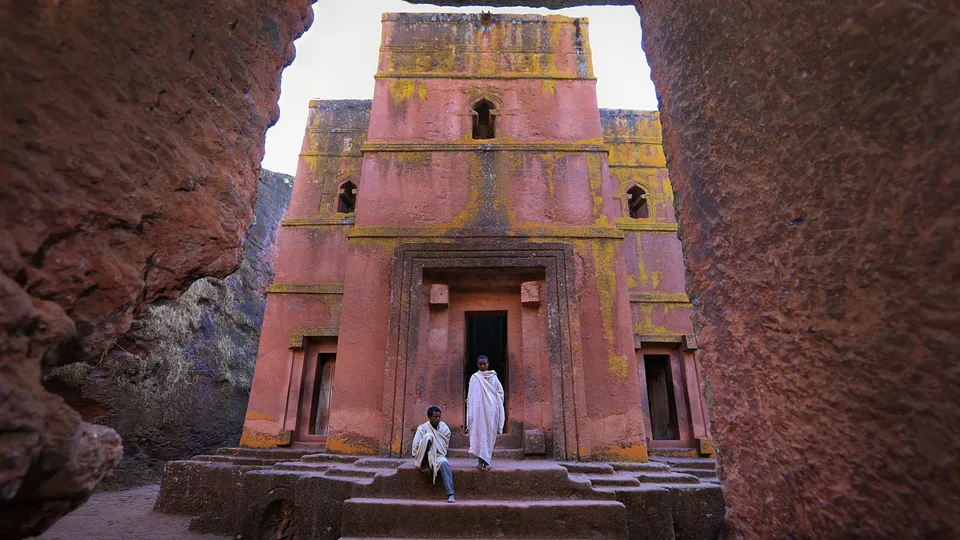
Most visitors come to Addis Ababa's National Museum for one reason — to stand in front of Lucy — and leave having discovered royal robes, rock-hewn-church art and the ethnographic story of a country with more than eighty languages. This guide covers what to see, how long to allow, how to deal with conflicting opening hours and prices, and how to fit it into a day in the capital.
Quick answer
The National Museum of Ethiopia in Addis Ababa is best known for Lucy (Dinkinesh), the 3.2-million-year-old hominin, and also holds religious artefacts, royal regalia and ethnographic displays. Allow 1 to 3 hours. Published opening hours and prices conflict (guides quote roughly 8:30–17:30, closed Monday or public holidays, and entry anywhere from a few dollars to tens of birr), and parts of the museum can close for renovation, so confirm on arrival. Ask staff whether the specimen on display is the original fossil or a cast. Combine it with Holy Trinity Cathedral and a coffee ceremony for a half day in central Addis.
Key facts
- Famous for
- Lucy (Dinkinesh), a 3.2-million-year-old hominin; also religious art, royal regalia and ethnography
- Where
- Central Addis Ababa (guides place Lucy on the ground floor)
- Time needed
- 1–3 hours depending on how deeply you look
- Opening hours
- Sources disagree (about 8:30–17:30 or 9:00–17:00; closed Monday and public holidays per one guide) — confirm on arrival
- Entry fee
- Figures range from a few US dollars to tens of birr in different guides — confirm on arrival; carry cash
- Lucy on display
- Ask staff whether it is the original or a cast; we could not verify this from official sources
- Renovations
- Parts of the museum can be closed for works
- Last reviewed
- 14 November 2026
What you will see
- Lucy (Dinkinesh): the 3.2-million-year-old hominin discovered in Ethiopia's Afar region in 1974. Guides place the exhibit on the ground floor and include it in general admission. See the note above on original versus cast.
- Prehistory and human origins: Ethiopia is one of the key places in the story of early humans, which is why Lucy sits here.
- Religious art: icons, crosses and manuscripts from the Ethiopian Orthodox tradition, useful context before you visit a church (see what to wear at churches).
- Royal regalia and history: thrones, robes and objects from imperial Ethiopia.
- Ethnography: displays of the country's many peoples, crafts and everyday objects.
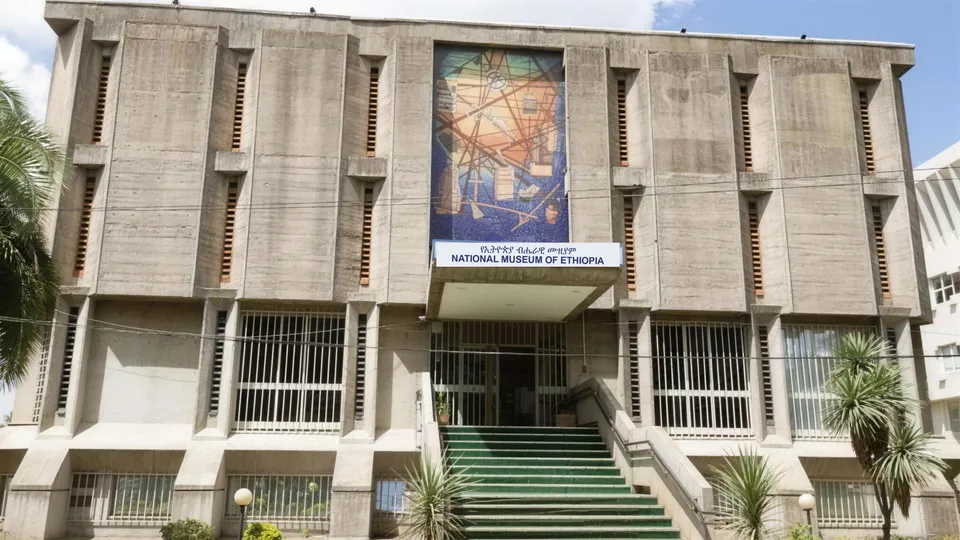
Practical tips
- Time: allow 1 to 3 hours; go early, before the heat and school groups.
- Hours and fees: guides quote about 8:30–17:30 and some say it is closed on Monday and public holidays; entry prices vary widely by source. Carry cash and confirm at the desk.
- Photography: rules differ by gallery; ask before you shoot and never photograph without permission where signs say no.
- Renovations: parts of the museum can be closed; ask what is open before you pay.
- Guide: a short guided tour adds context; see the tour options below.
Combine it with other central sights
- Holy Trinity Cathedral for Orthodox architecture and imperial tombs.
- A coffee ceremony — see our coffee ceremony guide.
- Merkato or Piassa with a guide; read our scams guide first.
- Children: see museums for children and family activities.
Short on time? Our layover itinerary fits the museum into a long connection. Where to sleep: best hotels in Addis.